🌟 Introduction
Ramadan in Umm Al Quwain is a deeply spiritual and culturally rich experience unlike any other in the UAE. As one of the smallest and most traditional emirates, Umm Al Quwain blends heartfelt Ramadan customs with community warmth, creating a genuine sense of togetherness. Whether you are a local resident or a visitor, this comprehensive guide will take you through 10 powerful traditions & iftars that highlight why Ramadan in Umm Al Quwain remains timeless, meaningful, and unforgettable. Updated for 2026, this guide brings authentic insights while helping you plan your holy month with care and respect.
🕌 1️⃣ 🌅 Tradition of Fasting and Prayer Timings
Ramadan in Umm Al Quwain starts with the sacred fast, a daily spiritual journey from dawn until sunset. In 2026, Ramadan is expected to begin around 18 February and continue for 30 days, ending on 19 March, based on astronomical calculation and moon sighting confirmations for the UAE.
Each day, Muslims in Umm Al Quwain rise before sunrise for Suhoor, the pre‑dawn meal, and observe fast until Iftar at sunset. Prayer timings vary slightly throughout Ramadan, but Maghrib (sunset prayer) marks the joyful moment to break the fast. This rhythm of fasting, prayer, and reflection shapes much of life during Ramadan in Umm Al Quwain, fostering spiritual discipline and community unity.
🕌 2️⃣ 🍴 Tradition of Community Iftar Gatherings
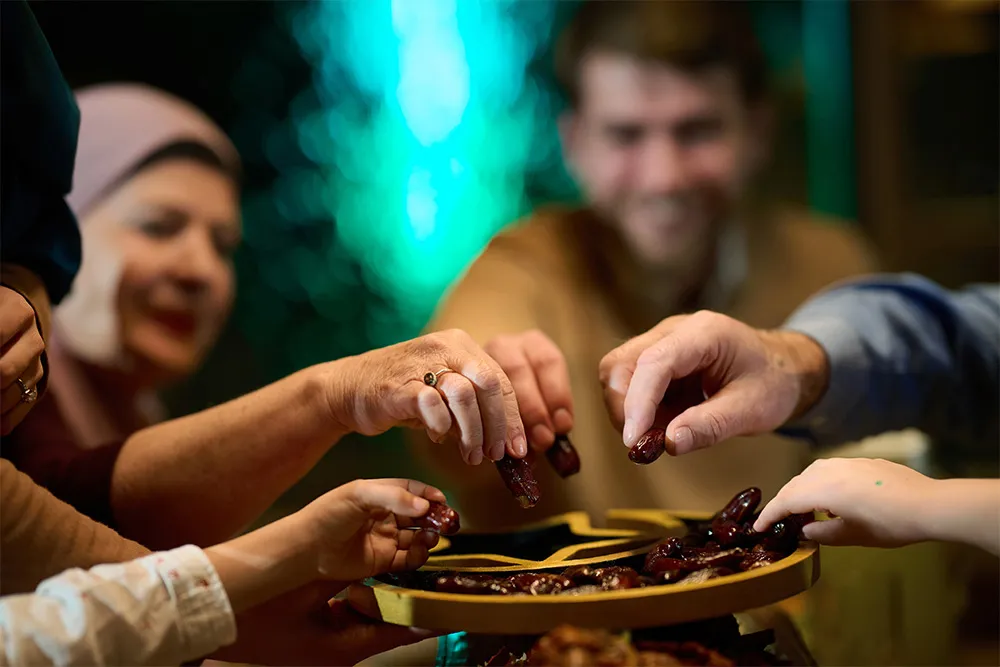
One of the most cherished aspects of Ramadan in Umm Al Quwain is breaking the fast together. Before the call to Maghrib prayer, families and neighbours often gather in homes or local majlises (traditional meeting spaces) to enjoy Iftar. These gatherings bring people of all ages together, reinforcing community bonds and offering shared moments of gratitude.
It’s common to prepare communal dishes, share dates and water to open the fast, and then savour hearty home‑cooked meals. This spirit of togetherness is a hallmark of Ramadan in Umm Al Quwain — an experience that many residents cherish most.
🛍️ 3️⃣ 🛒 Ramadan Market at Umm Al Quwain Chamber
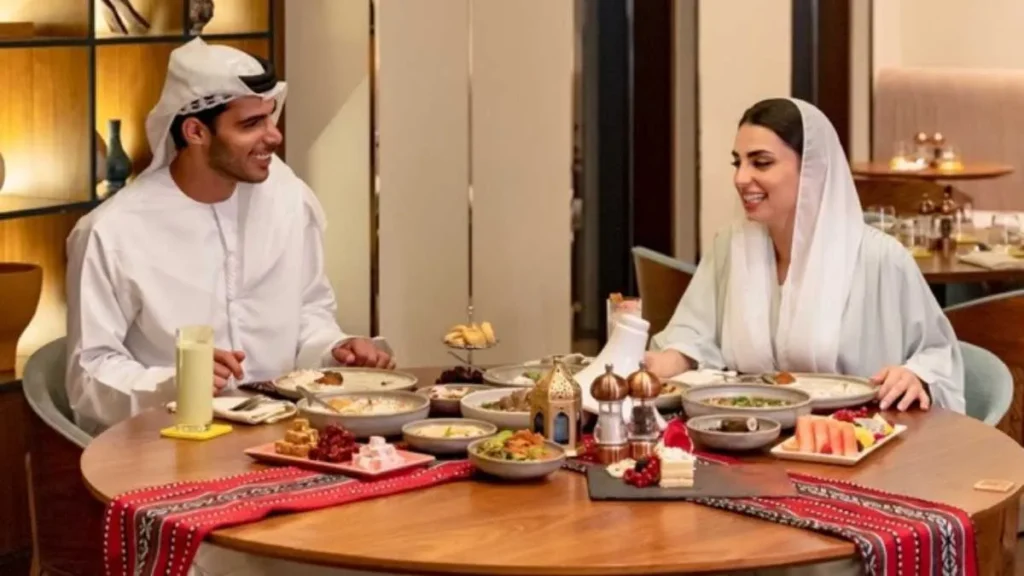
During Ramadan in Umm Al Quwain, you’ll find vibrant markets specially set up to serve the community. The Ramadan market at the Umm Al Quwain Chamber of Commerce offers a wide range of fresh produce, dates, sweets, and essential ingredients for preparing Iftar and Suhoor at home.
This initiative not only supports local farmers and small businesses but also makes traditional Ramadan staples affordable for everyone. Visiting the Ramadan market is a meaningful experience — a chance to mingle, shop for fresh produce, and feel the authentic local rhythm of Ramadan in Umm Al Quwain.
🕯️ 4️⃣ 🤝 Tradition of Charity & Free Iftar
Charity, or Zakat, holds a central place during Ramadan in Umm Al Quwain. In the spirit of giving, many organisations and individuals contribute to feeding those in need. Historically, the emirate has set up multiple free iftar tents where labourers and the less fortunate can receive warm meals each evening.
While numbers vary year‑to‑year, this tradition remains an expression of compassion and collective care — reinforcing that Ramadan in Umm Al Quwain is not just a time of fasting, but also of heartfelt generosity.
📜 5️⃣ 📿 Majlises & Evening Social Traditions
Evenings during Ramadan in Umm Al Quwain hold a special cultural charm. After Iftar and the Maghrib prayer, many residents gather in majlises to socialise, pray, and share stories or poetry. Older generations often recite poetry or reminisce about past traditions, creating a multi‑generational blend of conversation and cultural continuity.
These gatherings foster meaningful connections and preserve local heritage, making Ramadan in Umm Al Quwain richly distinctive.
💡 6️⃣ 🕌 Mosque Experiences and Tarawih Prayers
Mosques are the heart of Ramadan in Umm Al Quwain. Each evening, after the Isha prayer, Muslims gather for Tarawih — a special set of extra prayers performed only during Ramadan. These long congregational prayers are opportunities for reflection and spiritual growth, as worshippers listen to recitations from the Quran and pray in unison.
The experience inside local mosques fosters unity, peace, and spiritual upliftment — elements that define the rhythm of Ramadan in Umm Al Quwain.
🍽️ 7️⃣ 🍛 Best Iftar Dishes & Local Flavours
Food culture during Ramadan in Umm Al Quwain blends tradition and hospitality. Although the emirate doesn’t have as many large dining venues as Dubai or Abu Dhabi, residents and visitors enjoy classic Emirati and regional dishes at local eateries, cafés, and homes.
Typical favourites include:
- Dates and laban to break the fast.
- Shorbat adas (lentil soup) to warm the stomach.
- Machboos (spiced rice with meat).
- Mixed grills and salads for a balanced meal.
- Sweet treats like luqaimat and baklava.
While specific restaurant options are fewer here compared to larger emirates, culturally rooted homes and local spots provide authentic flavours that make Iftar during Ramadan in Umm Al Quwain special.
👨👩👧👦 8️⃣ 🌙 Family Traditions and Nightly Activities
Families play a central role in making Ramadan in Umm Al Quwain vibrant and memorable. After Iftar and Taraweeh, many families enjoy evening walks, social visits, or traditional coffee sessions. These simple moments strengthen family bonds and allow people of all ages to share in the spiritual energy of the month.
For those seeking outdoor experiences — such as picnics near Umm Al Quwain’s scenic beachfronts or quiet gatherings near the historic fort area — the tranquil setting of the emirate makes every moment special during Ramadan in Umm Al Quwain.
🏙️ 9️⃣ 🕌 Cultural Sites and Experiences
Although smaller than neighbouring emirates, Umm Al Quwain offers peaceful cultural spots that resonate during Ramadan in Umm Al Quwain.
For instance:
- Umm Al Quwain Fort and National Museum — a place to reflect on the emirate’s heritage.
- Quiet strolls around the Old Souq area — perfect for late‑night talks after prayers.
These sites reflect the emirate’s deep history and offer reprieve amidst evening Ramadan traditions.
🪔 1️⃣0️⃣ 🎉 Eid Preparations and Last Ten Nights
The final ten nights of Ramadan in Umm Al Quwain carry spiritual significance as Muslims engage in more prayers and reflection, especially Laylat al‑Qadr — the Night of Power. Families prepare for Eid al‑Fitr, focusing on charity, forgiveness, and celebration.
While Eid celebrations typically involve family gatherings and visits across the UAE, Ramadan in Umm Al Quwain maintains a respectful yet joyous atmosphere as residents welcome the festival of breaking the fast with festivity and reflection.
✨ Conclusion
Celebrating Ramadan in Umm Al Quwain in 2026 is an experience rooted in tradition, spiritual reflection, and community warmth. From daily fasting rhythms to family iftars, charitable acts, and quiet evening gatherings, the emirate offers a uniquely authentic Ramadan journey. Whether you’re planning a first visit or returning to familiar customs, this guide provides you with meaningful insights and heartfelt traditions that make Ramadan in Umm Al Quwain truly unforgettable.
May your Ramadan be blessed and filled with peace, reflection, and unity. Ramadan Kareem! 🌙
Also Read: Discover the Best Ice Cream in Umm Al Quwain: Top Spots & Sweet Finds