✨ Introduction
Abu Dhabi has invested heavily in reliable, air conditioned and affordable public transport, making it much easier to move between islands, suburbs and the wider emirate without a car. Buses link most neighbourhoods, taxis are widely available, and new smart services such as on demand buses, trackless electric buses and autonomous taxis are gradually changing how residents and visitors get around.
Whether you are planning a short city break or settling in for work, this Transport Guide for Abu Dhabi will help you choose the best option for every journey, understand payment methods and stay aligned with the official rules that apply in 2025.
1️⃣ 🚏 Why a Transport Guide for Abu Dhabi matters in 2025
Public transport in Abu Dhabi is managed by Abu Dhabi Mobility (formerly the Integrated Transport Centre), which oversees buses, taxis, marine services and micromobility across Abu Dhabi City, Al Ain and the Al Dhafra region.
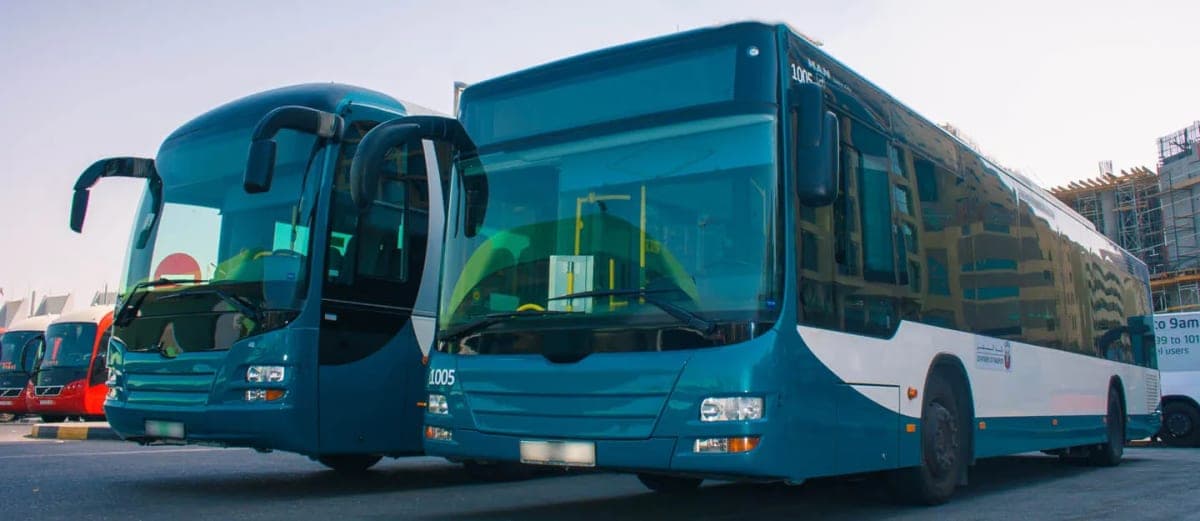
A key change in recent years is the unified Standard Service bus system, which integrates city and suburban routes with a single fare structure. The boarding fare is set at AED 2, with an additional 5 fils per kilometre and a typical cap of AED 5 per trip when using a Hafilat smart card. Combined with weekly and monthly passes, this makes regular bus use very cost effective. The Transport Guide for Abu Dhabi therefore starts with buses, since they form the backbone of the network.
2️⃣ 🚍 Buses and Hafilat smart cards in the Transport Guide for Abu Dhabi
Buses are the most common mode in any Transport Guide for Abu Dhabi, because they connect downtown Abu Dhabi Island with key districts such as Khalifa City, Mussafah, Yas Island, Saadiyat Island and on toward Al Ain and Al Dhafra. All buses are air conditioned and clearly numbered, and official stop information is available on the Abu Dhabi Mobility website and apps.
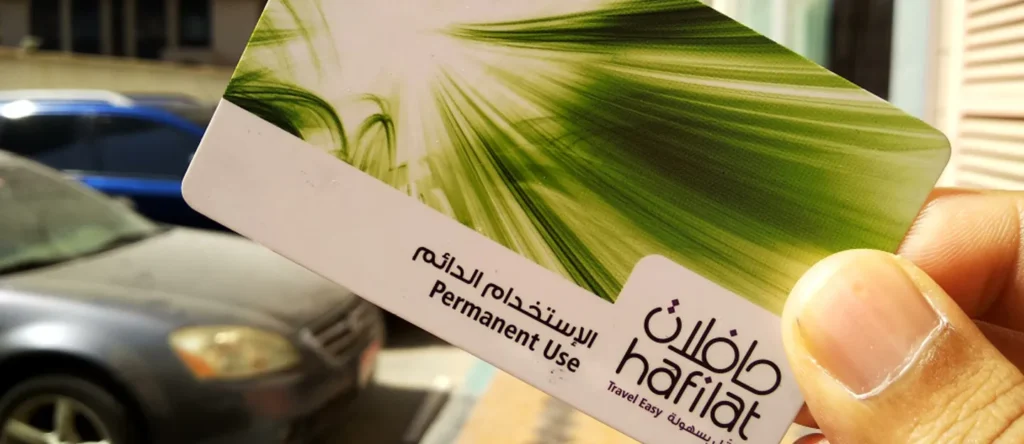
Payment is cashless. You tap a Hafilat smart card on the reader when boarding and tap again when exiting. Hafilat cards cost about AED 10, are valid for five years and can be topped up at ticket vending machines in major bus stations, some malls and many LuLu Hypermarket branches, as well as through the Darbi app.
Since 2024, unified public transport passes cover Standard Service trips in Abu Dhabi, Al Ain and Al Dhafra: a seven day pass costs AED 35 and a thirty day pass AED 95, valid on Standard Service buses in city and suburban areas. These passes are ideal for commuters and long stay visitors who use buses daily.
The Transport Guide for Abu Dhabi also needs to mention special services inside the bus network:
- Intercity and inter emirate routes link Abu Dhabi with Dubai and other emirates, as well as towns in Al Dhafra and Al Ain. These use the same Hafilat system but have different timetables and can have slightly different fare caps.
- Abu Dhabi Express offers faster, limited stop routes on some popular corridors, useful for commuters who want to reduce travel time.
- Night bus routes, including services from the airport, support travel outside normal daytime hours, especially for shift workers and late flights.
Always validate the route and timing inside the official timetable or Darbi app before boarding, because service numbers and frequencies can change.
3️⃣ 🚖 Taxis, ride-hailing, and autonomous cabs in your Transport Guide for Abu Dhabi
No Transport Guide for Abu Dhabi is complete without taxis, which remain one of the easiest ways to travel door to door. Silver taxis with a yellow roof sign operate under the Abu Dhabi Taxi brand and can be hailed in the street, pre booked through the TransAD hotline (600 535 353) or reserved via the Abu Dhabi Taxi mobile app on iOS and Android.
In 2025, typical economy taxi fares start at around AED 3.5 to 4, with a metered rate of about AED 2.3 per kilometre and a minimum fare of roughly AED 12 for city trips, according to recent tariff guides. Exact starting fares can differ slightly by time of day and taxi type, so always check the printed tariff inside the vehicle.
Your Transport Guide for Abu Dhabi should also highlight rapid developments in smart mobility:
- Abu Dhabi has introduced autonomous robotaxis, often branded as TXAI, and in 2025 residents can also book self driving taxis via Uber and WeRide on selected routes, mainly around Yas Island and Saadiyat Island and access roads to the airport.
- These services are still in a pilot or early commercial phase, usually with a safety officer on board, and operate only in defined zones, so they complement rather than replace conventional taxis.
For budget conscious travellers, taxis are often best for short urban trips or when travelling in a group, while the bus remains more economical for regular commuting.
4️⃣ 🚆 Intercity buses and airport links in this Transport Guide for Abu Dhabi
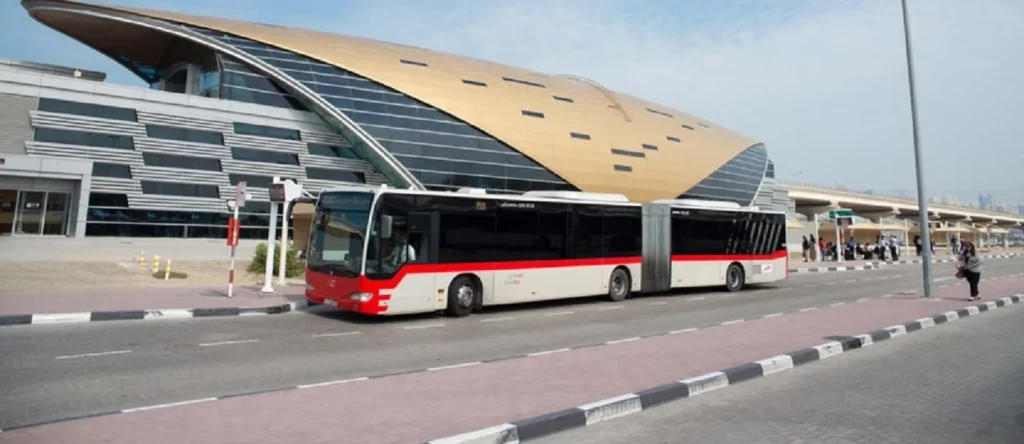
Intercity buses extend the reach of this Transport Guide for Abu Dhabi beyond the city centre. From Abu Dhabi’s main bus stations, inter emirate routes connect to Dubai, Sharjah and other emirates, as well as frequent services to Al Ain and towns in the Al Dhafra region. The same public operator runs these routes, but fares and schedules are published separately under the Inter City and Inter Emirates sections on the official Abu Dhabi Mobility site.
For air travellers, Zayed International Airport is linked to the city by several A series bus routes, notably A1, which connects the airport with central Abu Dhabi and operates around the clock with departures roughly every thirty to sixty minutes, according to current timetables. You pay using your Hafilat card at the standard public bus fare, making this one of the most economical ways to reach hotels in the city.
When planning longer journeys, allow extra time for traffic at peak hours and always verify the latest timetable through the Darbi app or the official airport and Abu Dhabi Mobility websites, since intercity schedules are updated periodically.
5️⃣ ⛴️ Ferries and water transport around Abu Dhabi
Thanks to its many islands, Abu Dhabi has an active network of ferries and water transport that deserves a place in any serious transport guide. Abu Dhabi Maritime and Abu Dhabi Mobility coordinate passenger and vehicle ferries connecting Dalma Island with Jebel Al Dhanna port and Al Aliah Island with Saadiyat Island.
Current information from public transport operators shows typical ferry fares around AED 20 for adults and AED 100 for vehicles on key routes, while children under twelve often travel free, but travellers should always confirm on the official schedule for the exact day of travel.
The Transport Guide for Abu Dhabi recommends checking ferry and water taxi times through the Darbi app or Abu Dhabi Mobility site before heading to the terminal, as weather and sea conditions can affect operations.
6️⃣ 🚲 Walking, Cycling, and Scooters
Abu Dhabi has increasingly promoted active travel and micromobility. Designated cycling tracks on Al Hudayriyat Island, the Corniche and other areas, together with the Bike Abu Dhabi strategy and bike sharing schemes, give residents and visitors more options for short trips.
Electric scooters and bicycles are regulated by Abu Dhabi Mobility using detailed safety guidelines that define where these devices may be used. Riders are generally required to use dedicated cycle and scooter tracks, shared paths, parks and internal roads with lower speed limits, while high speed roads, some sidewalks and tunnels without bike facilities are off limits. Helmets are mandatory and recent advisories have highlighted strict fines for unsafe scooter use in residential areas.
For visitors, bike sharing is a practical way to explore the Corniche or leisure islands, while residents can integrate cycling and scooters as a first and last mile connection to bus stops or ART stations. The Transport Guide for Abu Dhabi encourages users to respect local safety rules and to park shared bikes or scooters only in marked zones.
7️⃣ 📱 Apps, tickets and smart journey planning
Digital tools are central to a modern Transport Guide for Abu Dhabi, since they bring together information about buses, taxis, ferries and parking in one place.
The main official app is Darbi, operated by Abu Dhabi Mobility. It provides:
- Real time bus arrival information and route maps
- A journey planner that combines buses, taxis, private car, walking and cycling
- Hafilat card management, including balance checks and top ups
- Taxi booking and fare estimates
- Mawaqif parking payment
- Ferry schedules for key marine routes
In addition, the Abu Dhabi Link app lets users request on demand buses within selected zones such as Yas Island, Saadiyat Island, Al Shahama and nearby communities. The service runs daily from 6 in the morning to 11 at night, with rides inside the islands often free and a low boarding fee, currently around AED 2, from surrounding areas.
By combining Hafilat cards, Darbi and Abu Dhabi Link, travellers can turn this Transport Guide for Abu Dhabi into a flexible, real time toolkit for everyday movement in the emirate.

8️⃣ ✅ Practical tips and concluding advice
A few practical habits will help you get the most from this Transport Guide for Abu Dhabi:
- Always keep a small balance on your Hafilat card so you can board any bus without delay. Many ticket machines and the Darbi app support instant top ups.
- For airport transfers, compare the cost and convenience of the A series airport buses with taxis, particularly if you are travelling alone or staying near one of the main bus corridors.
- During summer, wait inside air conditioned bus stations where possible and carry water; even short walks between stops can feel intense in peak heat.
- When using micromobility, wear a helmet, obey local speed limits and stick to authorised paths to avoid fines and stay safe.
- For autonomous taxis and ART, treat them as supplementary options, since both are still expanding and may have limited hours or service zones.
In summary, this Transport Guide for Abu Dhabi shows that the emirate now offers a layered network of air conditioned buses, efficient taxis, growing smart mobility pilots and scenic marine links, all supported by an integrated digital platform. As new metro and tram projects progress over the coming years, the principles in this Transport Guide for Abu Dhabi will continue to apply: check official sources, plan with trusted apps and choose the mode that best fits your time, budget and comfort.
🌐 External reference links
- Abu Dhabi Mobility – Public Transport Services
- Abu Dhabi Mobility – Hafilat Smart Cards
- UAE Government Portal – Public Transport overview
- Abu Dhabi Residents Office – Transportation in Abu Dhabi
- Visit Abu Dhabi – Getting around the emirate
- Abu Dhabi Maritime – Ferry services information
- Darbi app (Abu Dhabi Mobility) – journey planning and Hafilat top-ups
Also Read: Banks in Abu Dhabi 2025: Ultimate Guide to Accounts Loans and Islamic Finance