

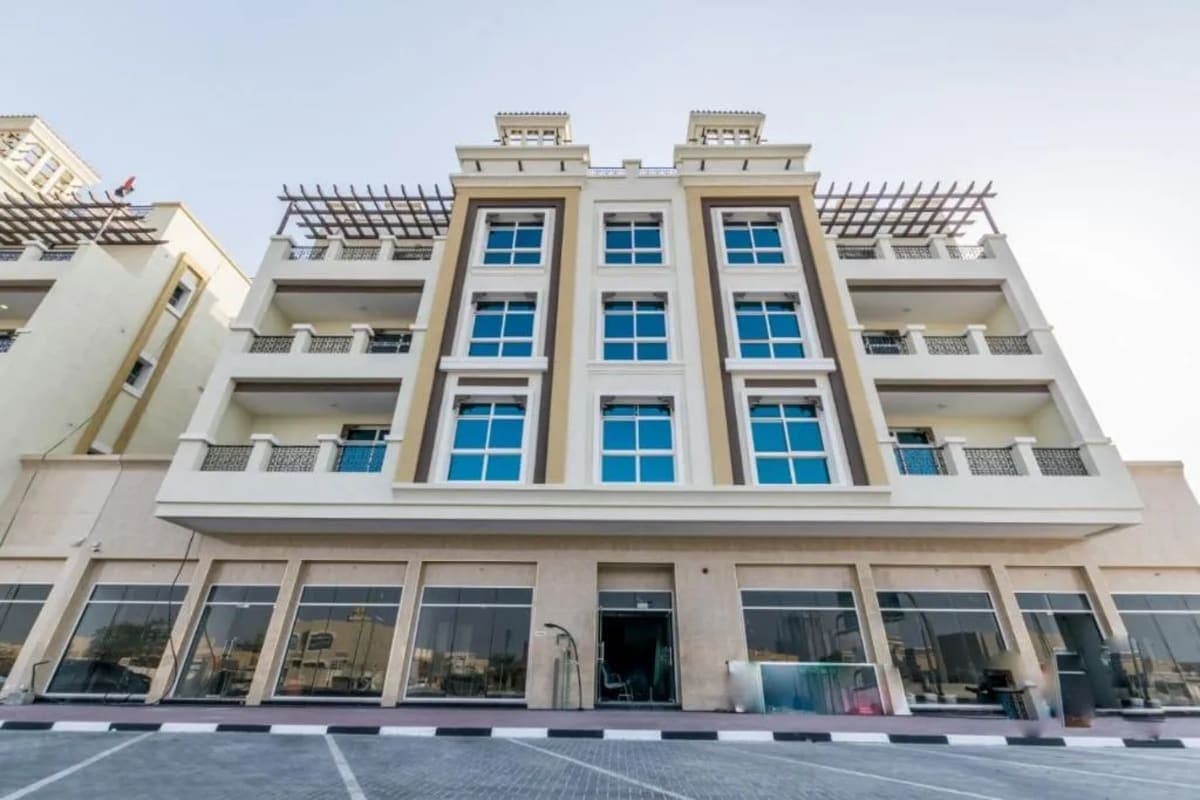
🔍 Introduction
In response to growing safety concerns and multiple tragic incidents across the country, the UAE has introduced stringent new regulations targeting partitioned apartments in the UAE, particularly those created without official permits or adherence to building codes. These partitions, often installed by landlords or tenants to create more rentable spaces, are increasingly being seen as serious fire and safety hazards.
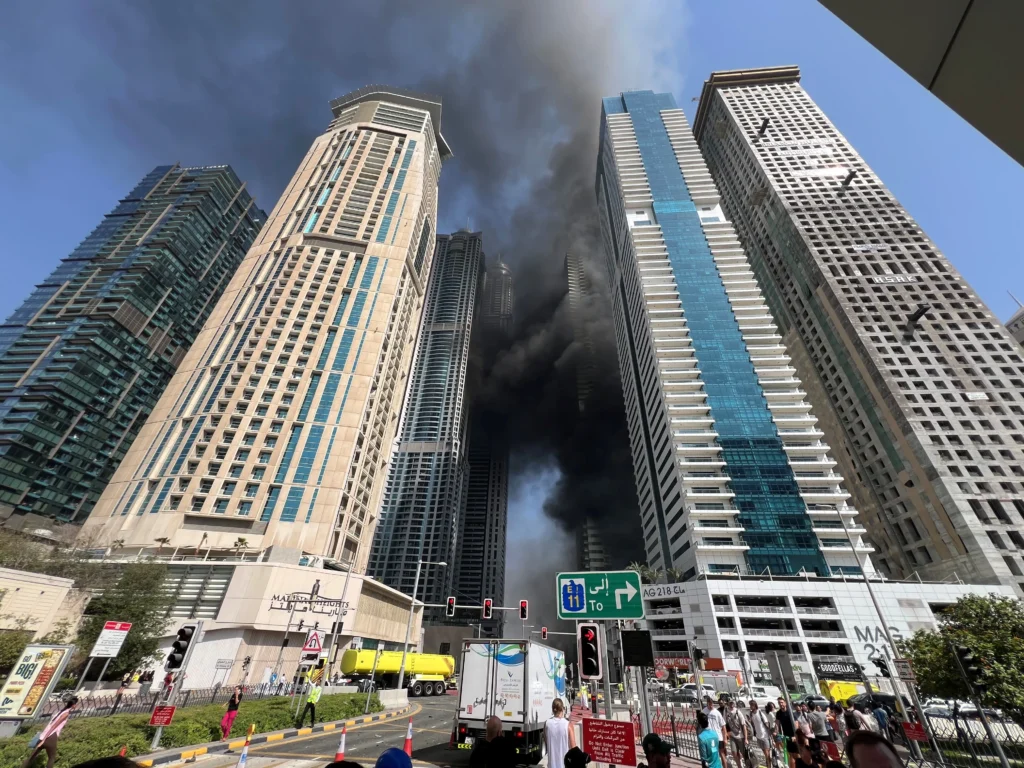
This issue has drawn renewed attention following several fire-related disasters in UAE residential buildings. While not all incidents are directly tied to illegal partitioning, the dangers posed by such setups—like blocked exits, flammable materials, and overcrowding—have led authorities to take urgent and sweeping action. The Tiger Tower fire, one of the most widely reported recent high-rise fires, has become a symbol of these safety failures, even if partitioning wasn’t the root cause.
This comprehensive guide will explore the new legal framework governing partitioned apartments in the UAE, why these rules are now being rigorously enforced, how they’re linked to tragic fire events, and what responsibilities fall on both property owners and tenants. The focus is not only on compliance but also on fostering a safer, more sustainable housing environment.
1️⃣ 📜 What Are “Partitioned Apartments” and Why Are They Problematic
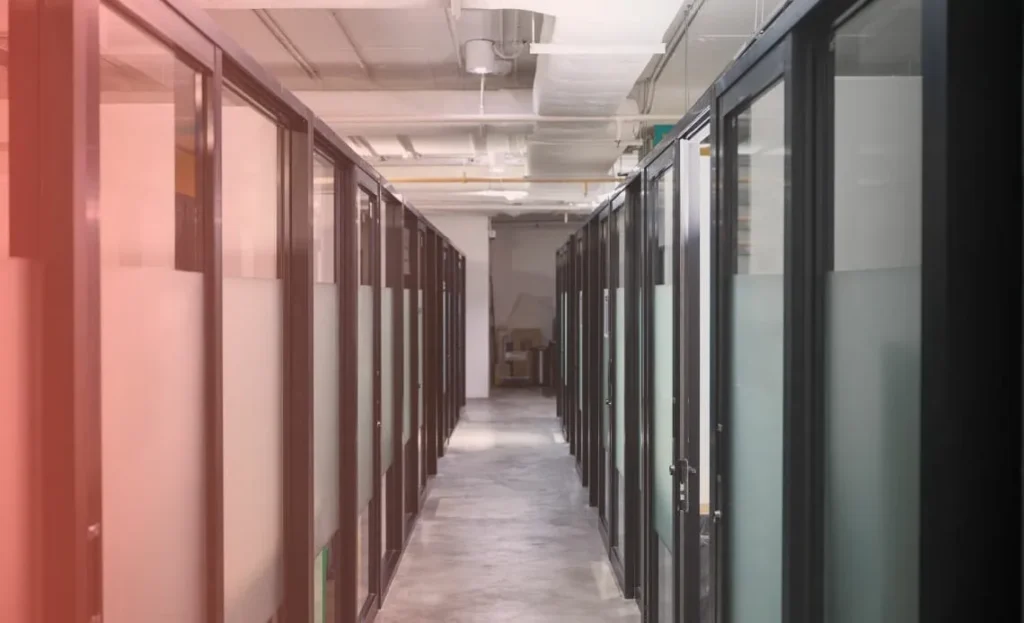
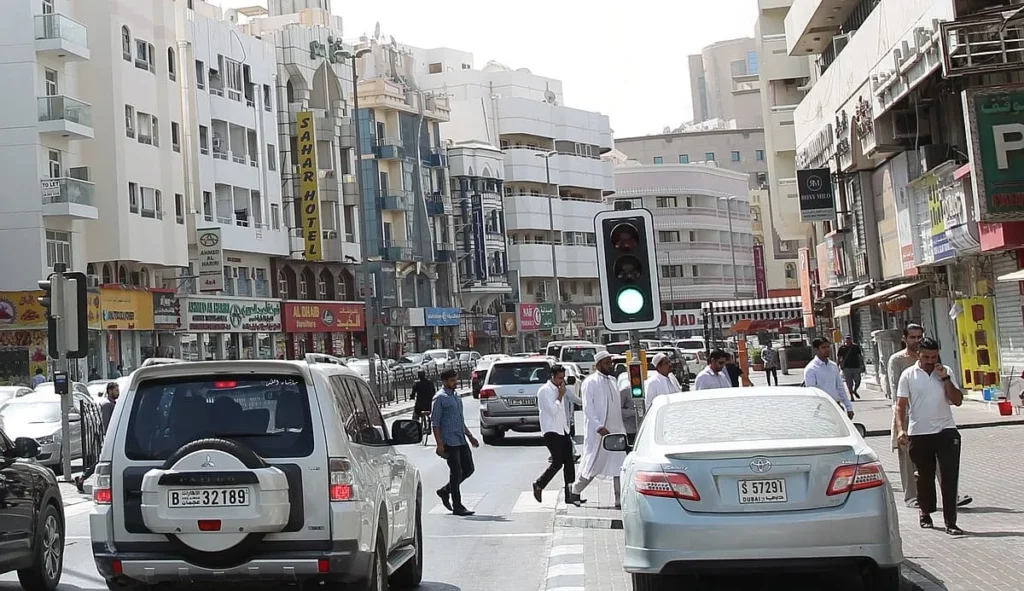
Partitioned apartments in the UAE refer to regular residential units—whether villas, apartments, or studios—that have been subdivided into smaller living spaces using temporary or makeshift dividers. These are commonly found in older neighborhoods such as Deira, Karama, Al Rigga, and parts of Abu Dhabi, where rent prices are more competitive.
These makeshift living areas often include:
- Temporary gypsum or plywood walls
- No designated windows or ventilation
- Shared access to kitchens and bathrooms
- Compromised electrical wiring and lighting
The main concerns with partitioned apartments are overcrowding and lack of structural integrity. They not only violate building safety regulations but also severely restrict airflow, obstruct fire exits, and interfere with fire detection and suppression systems. Many occupants also use extension cords and overload electrical sockets, further increasing the fire risk.
Health-wise, such units can pose issues due to limited access to fresh air, overused shared sanitation facilities, and pest infestations. The residents, often low-income workers or bachelors, sometimes pay up to AED 2,000 per month for a single partitioned room, without any legal tenancy rights or safety assurance.
2️⃣ 🔥 Legal Framework & Permits
The legal status of partitioned apartments in the UAE is clear—unauthorized modifications to rental properties, including temporary or non-permanent structures, are illegal without prior municipal approval. UAE authorities have outlined this in various legal frameworks:
- Law No. 26 of 2007 (as amended by Law No. 33 of 2008): This law governs landlord-tenant relations and prohibits tenants from making alterations to properties without the landlord’s and authority’s permission.
- Dubai Local Order No. 3 of 1999: This mandates that any building modification—be it for structural changes or internal layouts—must receive clearance from Dubai Municipality.
These laws are supported by regulations from the Civil Defense, which assess buildings for fire safety compliance. Unpermitted partitions can result in fines ranging from AED 10,000 to AED 50,000, eviction notices, and in some cases, full demolition of altered units. Repeat offenses or landlords found operating multiple illegal partitions face potential jail time and heavier penalties.
Recent crackdowns have focused on identifying non-compliant units and enforcing eviction or rectification orders. Inspections are usually unannounced and can result in immediate disconnection of utilities.
3️⃣ 🛡️ New Fire-Safety Push
The renewed urgency to regulate partitioned apartments in the UAE is driven by a national push for fire safety. According to the Dubai Civil Defense and Abu Dhabi Municipality, makeshift partitions significantly reduce a building’s fire-readiness. Key issues include:
- Obstruction of emergency exits
- Lack of access for firefighting personnel
- Inability of fire sprinklers or alarms to detect smoke
- Use of flammable partition materials like cardboard or low-grade plywood
As part of the UAE’s Vision 2030 safety initiative, new regulations require all property owners and tenants to apply for fire clearance before altering room layouts. Dubai Municipality now mandates that all building blueprints be registered and matched against actual conditions during inspections.
In April 2025, over 1,200 buildings were inspected across Dubai alone, resulting in 750 notices and 40 full partition removals. Authorities are now training building watchmen to identify illegal modifications and submit weekly reports. These efforts are coordinated across emirates to ensure consistency in safety enforcement.
4️⃣ 🔄 Are These Moves Linked to the Tiger Tower Fire?
While not officially confirmed, many believe the crackdown on partitioned apartments in the UAE is indirectly connected to the high-profile Tiger Tower fire, which occurred in 2024 and resulted in mass evacuations and several injuries. Although initial reports cited electrical failure as the probable cause, post-incident analysis showed how altered interiors hindered emergency responders.
The Tiger Tower tragedy revealed how interior remodeling—whether or not partitions were present—compromised airflow, visibility, and accessibility during emergencies. In older towers, smoke often traveled faster through corridors blocked by unauthorized barriers.
Following this fire, public and media pressure grew significantly. Residents began reporting unsafe living conditions in neighboring buildings, prompting government departments to introduce more aggressive inspections and penalties.
5️⃣ 🏢 How This Affects Apartment Owners
For landlords and building owners, these new rules signal the end of a lucrative but dangerous practice. Many landlords have been converting two-bedroom flats into five separate units, earning rent from multiple unrelated tenants. With the new enforcement drive:
- Landlords are now legally liable for any harm caused due to illegal modifications.
- Properties found with unauthorized partitions will face power and water cuts.
- Owners could face bans on future rentals or permits if violations persist.
The Dubai Land Department has set up a reporting system that allows tenants and neighbors to report partition violations anonymously. This has made it harder for landlords to operate in secrecy.
To avoid penalties, owners must hire licensed contractors for any modifications, secure approval from Dubai Municipality, and register unit usage through Ejari.
6️⃣ 🧑🤝🧑 Impact on Residents & Tenants
For the residents living in partitioned apartments in the UAE, the situation is equally challenging. Many tenants have no official lease and rely on verbal agreements or cash payments. As a result:
- They are not protected by tenancy laws
- They may be evicted without notice during crackdowns
- They cannot register with Ejari, apply for DEWA, or obtain family visas
Additionally, overcrowding reduces quality of life. Shared toilets, kitchens, and poor hygiene have made these spaces hotspots for disease and discomfort.
Municipalities now advise residents to check the legal status of a unit before moving in. New tenant portals allow users to verify if a property is legally registered and approved for residential use.
7️⃣ 📊 Occupancy Limits & Overcrowding
The UAE’s building codes specify minimum living space per person. For instance:
- Studio apartments: Not more than 2 occupants
- One-bedroom units: Maximum of 3 residents
- Villas: Depending on size, capped at 5–7 people
Partitioning often leads to 8–15 people sharing a 2BHK apartment. Not only is this unsafe, but it also violates zoning and health codes.
Civil Defense has made it clear: every building must have a plan showing legal occupancy limits, and violations are now tied to insurance claim denials in the event of a disaster.
8️⃣ 🛠️ DIY vs. Professional Installations
Some residents or owners argue that temporary partitions—like curtains, sliding doors, or gypsum walls—are minor and do not require regulation. However, the UAE authorities disagree. Whether temporary or not, any modification that affects airflow, structure, or layout must be approved.
Only registered contractors with fire-rated materials and proper planning submissions are allowed to build partitions. These professionals ensure the space remains compliant with building safety norms, including fire exit visibility, ceiling height, and ventilation access.
Unlicensed installations not only risk fines but may be forcibly removed by authorities.
9️⃣ 🚒 Emergency Exit & Fire Safety Concerns
The number one issue with partitioned apartments in the UAE is how they interfere with emergency evacuation. In high-rises, seconds matter. Blocked hallways, hidden stairwells, and locked room-to-room doors can turn a minor fire into a fatal tragedy.
Additionally:
- Smoke detectors cannot cover concealed areas
- Fire sprinklers often become ineffective
- Firefighters cannot access internal corridors
Civil Defense now includes partition inspection as part of its annual building safety audits. Properties found lacking are listed in public warning bulletins.
🔟 🔗 Connection to High-Rise Cladding Reforms
In 2017, the UAE introduced new cladding regulations after several fires were exacerbated by flammable exterior materials. This same mindset is now being applied internally, treating interior modifications with equal seriousness.
Partition walls are now treated as potential fire risks and subject to the same scrutiny as building facades. Dubai’s Fire Code 2023 amendment includes sections on internal reconfiguration, placing partitions under fire response planning.
1️⃣1️⃣ 💡 Affordable Housing vs. Safety Dilemma
The popularity of partitioned apartments in the UAE is rooted in one issue: affordability. With average studio rents exceeding AED 3,500 in Dubai, many low-income workers resort to partition rooms costing AED 800–1,200 monthly.
However, authorities emphasize that affordability cannot override safety. As an alternative, Dubai is exploring:
- Government-regulated micro housing
- Staff accommodations with better regulation
- Shared co-living spaces through property management firms
These solutions aim to address housing shortages without compromising on health and safety.
1️⃣2️⃣ 🏘️ Comparison: Abu Dhabi vs Dubai
While Dubai has led recent media coverage, Abu Dhabi has had similar rules in place since 2023. In Al Mafraq and Mussafah, over 50 unlicensed partitions were dismantled in the past year. Fines for landlords reached up to AED 750,000.
The key difference:
- Dubai conducts more frequent building audits
- Abu Dhabi focuses on labor camps and villa partitions
Both emirates now share tenant data and reports to synchronize enforcement.
1️⃣3️⃣ 🧭 Responsibilities of Landlords vs Tenants
Landlords must:
- Do not lease unapproved spaces
- Conduct safety checks every 3 months
- Maintain accurate tenancy records
Tenants must:
- Do not install partitions without written permission
- Report unsafe modifications to the authorities
- Ensure DEWA/utility accounts match tenancy data
Cooperation between both parties is essential to prevent unsafe partitioning.
1️⃣4️⃣ 🧯 Remediation & Compliance
If your building has illegal partitions, here’s what to do:
- Contact a municipality-approved architect or consultant
- Schedule a fire compliance audit
- Remove unsafe partitions and restore the legal layout
- Apply for building modification clearance
- Register occupants properly with Ejari and DEWA
Delays in remediation may attract progressive fines, utility bans, or tenant evacuations.
1️⃣5️⃣ 🔮 What’s Next in Regulatory Landscape?
Expect stricter laws and more enforcement:
- Introduction of smart inspection drones
- Mandated annual fire drills in multi-tenant buildings
- Real-time reporting dashboards by Dubai Municipality
Partitioning bans will likely expand to commercial buildings used for residential accommodation. Authorities also plan to link partition violations to visa status in extreme cases.
✅ Conclusion
The UAE is taking firm action against partitioned apartments in the UAE, aligning with global best practices on fire safety and urban living standards. While these changes may pose challenges to affordability, they are necessary to prevent further tragedies like the Tiger Tower fire.
The issue of partitioned apartments in the UAE cannot be overlooked any longer. From fire risks to legal violations, the dangers they pose are immense. As such, authorities are now pushing for a safer, better-regulated rental environment. The presence of partitioned apartments in the UAE has long complicated building safety compliance and emergency response.
If you are an owner or a resident involved with partitioned apartments in the UAE, it’s crucial to understand the updated laws. Ensuring your property or living space complies with new guidelines surrounding partitioned apartments in the UAE is not just a legal requirement but a moral one.
Over the coming months, expect even more scrutiny around partitioned apartments in the UAE, especially in densely populated areas. Municipal bodies are prioritizing building inspections, and every report of partitioned apartments in the UAE is likely to be taken seriously.
Ultimately, phasing out unsafe partitioned apartments in the UAE will lead to better living conditions, reduced fire hazards, and more transparency in tenant-landlord relationships. The nationwide campaign to identify and remove illegally partitioned apartments in the UAE shows no signs of slowing.
Both landlords and tenants must work together to ensure compliance. Unauthorized partitioned apartments in the UAE are not only illegal but also life-threatening. Removing them now could save lives in the future. Stay informed, act responsibly, and do your part in supporting safer housing by addressing the risks linked to partitioned apartments in the UAE.
🌐 External Links
- Dubai Municipality
- Dubai Land Department
- Dubai Civil Defense
- The National: Dubai crackdown on illegal partitions
- Gulf News: Partitioned rooms safety risks
Also Read: Living in Dubailand: Pros and Cons You Should Know in 2025