


Introduction
Ramadan is one of the most spiritually significant months for Muslims around the world. In the United Arab Emirates, the holy month is observed with devotion, community spirit, and strict adherence to prayer and fasting schedules. Understanding Ramadan Timings in the UAE is essential for residents, expatriates, and visitors alike, as daily life shifts to accommodate fasting, prayers, and religious gatherings.
In 2026, Ramadan is expected to begin in mid February, depending on the official moon sighting announcement by the UAE authorities. The Islamic calendar is lunar based, so exact dates are confirmed closer to the month. During this sacred period, Muslims fast daily from dawn to sunset, making accurate knowledge of Ramadan Timings in the UAE crucial for observing Suhoor and Iftar correctly.
This comprehensive guide explains prayer schedules, fasting hours, moon sighting procedures, legal guidelines, and practical adjustments in the UAE during Ramadan 2026.
1️⃣ 🌙 Expected Start and Duration of Ramadan 2026 in the UAE
Ramadan follows the Hijri lunar calendar and begins with the sighting of the crescent moon. In 2026, astronomical calculations indicate that Ramadan is likely to begin around 17 February 2026. However, the official confirmation of Ramadan Timings in the UAE will come from the UAE Moon Sighting Committee.
Ramadan lasts either 29 or 30 days depending on moon visibility. Once the crescent moon of Shawwal is sighted, the fasting month ends and Eid Al Fitr is celebrated.
Because the Islamic calendar shifts approximately 10 to 11 days earlier each year in the Gregorian calendar, fasting hours gradually move into cooler months. In 2026, Ramadan will fall during late winter and early spring in the UAE, resulting in moderate fasting durations compared to peak summer months.
The official Ramadan Timings in the UAE are published daily by mosques and Islamic authorities to ensure accuracy.
2️⃣ 🕌 Daily Fasting Schedule and Prayer Times
The foundation of Ramadan revolves around daily fasting between Fajr and Maghrib prayers. This makes precise knowledge of Ramadan Timings in the UAE extremely important.
The five daily prayers observed during Ramadan are:
Fajr before dawn Dhuhr midday Asr afternoon Maghrib at sunset Isha at night
In 2026, expected fasting hours in the UAE will range approximately between 13 to 14 hours per day during the early part of Ramadan. These timings slightly increase as the month progresses.
For example, in Dubai during mid February 2026, approximate times may be:
Fajr around 5:20 AM Maghrib around 6:00 PM
However, exact Ramadan Timings in the UAE vary slightly between Abu Dhabi, Dubai, Sharjah, Ajman, Ras Al Khaimah, Fujairah, and Umm Al Quwain. Even a few minutes difference can matter when breaking or starting the fast.
Local mosques, official Islamic Affairs websites, and reputable prayer time apps provide updated daily schedules of Ramadan Timings in the UAE.
3️⃣ 🌅 Suhoor and Iftar Timing Guidelines
Suhoor is the pre dawn meal consumed before Fajr. Iftar is the evening meal at sunset when the fast is broken.
During Ramadan 2026, Suhoor must be completed before the Fajr call to prayer. Many people stop eating several minutes earlier as a precaution. Checking official Ramadan Timings in the UAE ensures fasting begins at the correct time.
Iftar occurs immediately at Maghrib. It is traditionally opened with dates and water, following the Sunnah practice. Restaurants and hotels in the UAE prepare special Iftar buffets, but they strictly follow the daily Ramadan Timings in the UAE to announce sunset.
It is important to avoid eating or drinking even one minute before Maghrib, as fasting remains obligatory until sunset according to Islamic rulings. Therefore, residents rely heavily on verified Ramadan Timings in the UAE for religious accuracy.

4️⃣ 📢 Official Moon Sighting Process in the UAE
The UAE government appoints a Moon Sighting Committee under the General Authority of Islamic Affairs and Endowments. This committee reviews astronomical data and physical moon sightings to declare the beginning of Ramadan.
The official announcement is broadcast through national media channels. Only after this declaration are Ramadan Timings in the UAE formally confirmed.
While astronomical calculations provide strong predictions, Islamic tradition requires physical sighting or verified testimony. Therefore, final confirmation of Ramadan Timings in the UAE depends on official approval rather than calculations alone.
Residents should rely only on government announcements and trusted mosque publications for authentic timing information.
5️⃣ 🏙️ Differences Across Emirates
Although the UAE is geographically compact, slight variations in sunrise and sunset times exist between emirates.
For example:
Abu Dhabi may experience sunset a few minutes later than Fujairah. Dubai timings may slightly differ from Sharjah.
These small differences affect Ramadan Timings in the UAE by a margin of minutes, which is significant for fasting.
For this reason, each emirate publishes its own daily prayer schedule. People should avoid following timings from another emirate unless they are geographically very close.
Accurate Ramadan Timings in the UAE are particularly important for commuters who travel between emirates during fasting hours.
6️⃣ 🕌 Taraweeh and Night Prayers During Ramadan
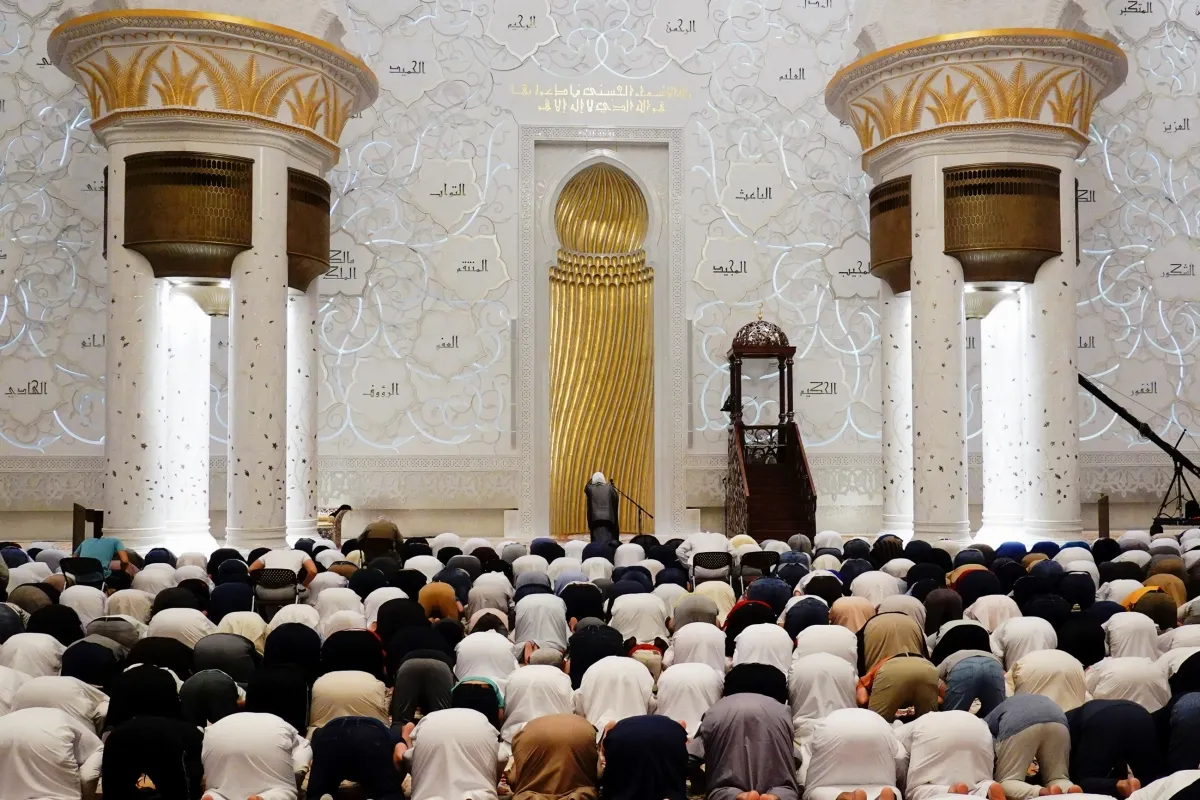
Taraweeh prayers are special night prayers performed after Isha during Ramadan. These prayers are not obligatory but highly recommended.
Mosques across the UAE organize Taraweeh every night, following official Ramadan Timings in the UAE for Isha.
In larger mosques such as Sheikh Zayed Grand Mosque in Abu Dhabi and the Jumeirah Mosque in Dubai, thousands gather for Taraweeh. The timing of these prayers depends directly on daily Isha schedules, which are part of the broader Ramadan Timings in the UAE.
During the last ten nights, many mosques hold extended prayers and Qiyam Al Layl. Accurate prayer scheduling ensures worshippers can participate fully.
7️⃣ 📜 Working Hours and Public Guidelines During Ramadan
During Ramadan, working hours in the UAE are officially reduced for both public and private sectors in accordance with UAE labor regulations. In previous years, working hours were shortened by two hours per day for employees.
Although this adjustment is not directly part of Ramadan Timings in the UAE, it is closely linked to daily fasting schedules and prayer breaks.
Restaurants remain closed during daylight hours for dine in services but may operate for delivery. Non Muslims are generally expected to respect fasting rules in public spaces, although regulations have gradually evolved in recent years to allow more flexibility.
Businesses, schools, and government offices structure their daily schedules around Ramadan Timings in the UAE, particularly around Iftar and prayer times.
8️⃣ 🧭 Tips for Residents and Visitors During Ramadan 2026
If you are living in or visiting the UAE during Ramadan 2026, here are practical recommendations:
Always verify daily Ramadan Timings in the UAE from reliable sources. Plan travel and meetings around Iftar to avoid heavy traffic. Stay hydrated during non-fasting hours. Respect cultural norms in public areas. Attend community Iftar events to experience the spirit of Ramadan.
Visitors unfamiliar with fasting hours should understand that daily routines shift according to Ramadan Timings in the UAE. Shopping malls often stay open late, and nightlife becomes more active after Iftar.
Keeping track of accurate Ramadan Timings in the UAE ensures you avoid misunderstandings and participate respectfully in local customs.
Conclusion
Ramadan 2026 in the UAE is expected to begin in mid February, subject to official moon sighting confirmation. The holy month brings spiritual reflection, disciplined fasting, and community engagement across all seven emirates.
Understanding Ramadan Timings in the UAE is essential for correctly observing Suhoor, Iftar, and daily prayers. Since fasting begins at Fajr and ends at Maghrib, even a few minutes difference matters. Official announcements and mosque schedules provide the most reliable information.
As Ramadan continues to move earlier each year in the Gregorian calendar, fasting conditions evolve with seasonal changes. In 2026, moderate winter fasting hours will make daily observance more manageable compared to peak summer periods.
Whether you are a resident or visitor, staying informed about Ramadan Timings in the UAE ensures a respectful, smooth, and spiritually fulfilling experience during this sacred month.
Also Read: Powerful Guide to A Time for Giving: Ramadan Charities in Dubai
Image Credits: The featured image has been taken from Economy Middle East