

🏫 1. Introduction
Abu Dhabi has rapidly grown into one of the Middle East’s most dynamic cities, and with that growth comes the challenge of transporting thousands of students daily across the emirate. School transport services in Abu Dhabi are not just about getting students from home to school; they are about safety, efficiency, sustainability, and community trust.
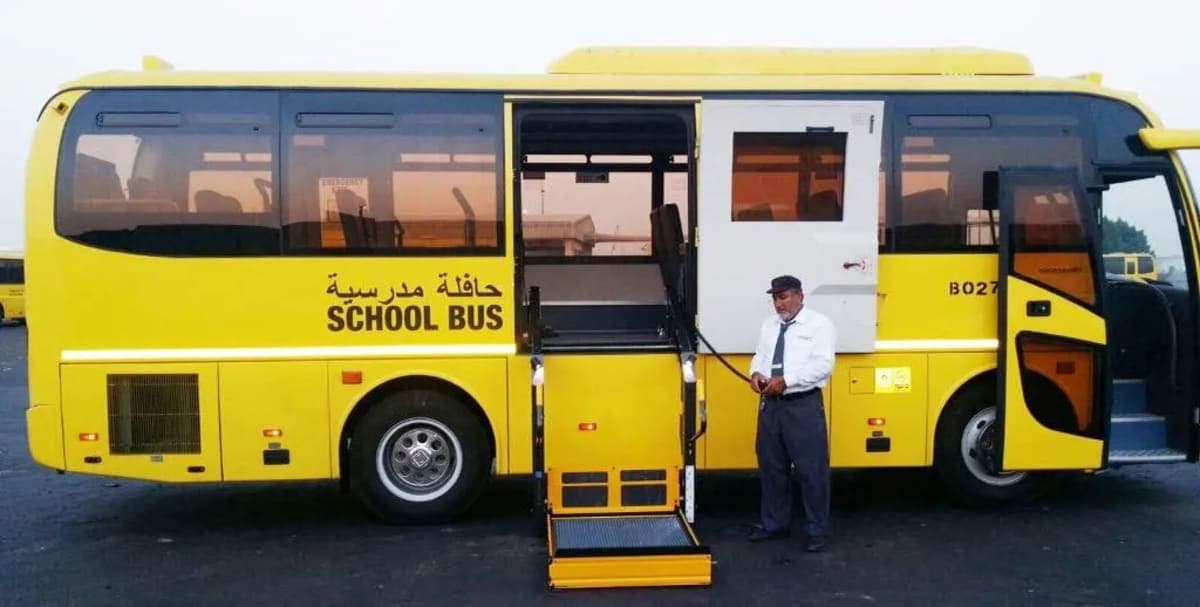
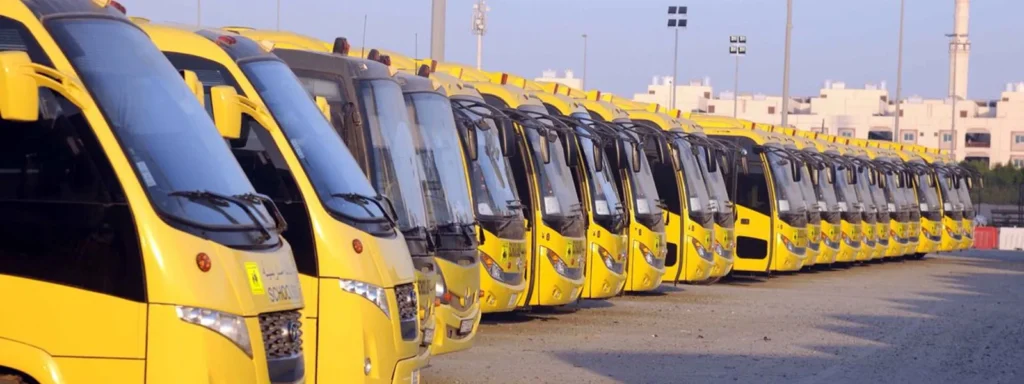
As of 2025, these services operate under some of the strictest guidelines in the region, overseen by the Abu Dhabi Department of Education and Knowledge (ADEK) and the Integrated Transport Centre (ITC). With over 9,425 school buses transporting children across 690 schools in Abu Dhabi, the system has become one of the largest and most organized in the region.
In this comprehensive article, we’ll cover everything you need to know about school transport services in Abu Dhabi: regulations, providers, costs, safety, technology, parental responsibilities, and future trends.

🏛 2. Regulatory Framework & Oversight
2.1 ADEK & ITC Policies
Every aspect of school transport services in Abu Dhabi is monitored and approved by ADEK and ITC. This ensures consistency across schools, whether they operate their own fleets or outsource. The ADEK School Transportation Policy sets rules on journey times, vehicle safety, driver training, and student protection.
2.2 Inspections & Compliance
The ITC regularly inspects buses for safety equipment, cleanliness, and maintenance. Violations result in penalties or suspension of permits. Each bus must display compliance stickers showing parents and schools that the bus is authorized to operate.
2.3 2025 Updates
This year, Abu Dhabi authorities introduced enhanced safety regulations such as:
- Double stop signs on buses carrying more than 40 students.
- Deployment of traffic officers at schools with high congestion.
- Mandatory route audits to ensure no student spends excessive time on the bus.
🚍 3. Key Service Providers in Abu Dhabi
3.1 STS Group
One of the largest operators, STS Group, manages thousands of daily routes. They are known for integrating smart technology like GPS tracking and parent apps.
3.2 Blue Line Transports
This private operator emphasizes comfort and reliability, with CCTV-monitored buses and parent communication systems.
3.3 Creative Transportz & Others
Smaller operators like Creative Transportz cater to nurseries and mid-sized schools. They provide customized services depending on the size of the student body.
3.4 School-Owned Fleets
Prestigious schools like Raha International or BSAK often maintain their own fleets, but even then, they must register with ITC and follow ADEK rules.
By combining outsourced operators with in-house fleets, school transport services in Abu Dhabi ensure wide coverage and operational flexibility.
🔐 4. Safety & Security Measures
4.1 Equipment & Bus Design
All buses must be fitted with:
- Seat belts for every student.
- Emergency exits with alarms.
- Fire extinguishers and first aid kits.
- CCTV systems to monitor student behavior and safety.
- GPS trackers connected to ITC’s Salama platform.
4.2 Supervision
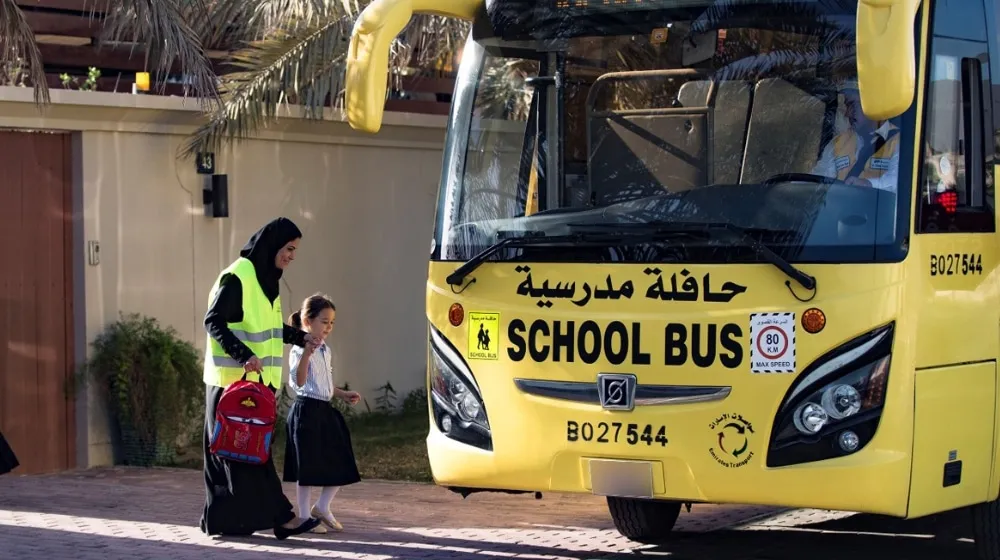
For younger children, trained supervisors accompany every bus. Supervisors assist students while boarding, ensure seat belts are fastened, and hand children over to parents or guardians at drop-off.
4.3 Emergency Protocols
Buses must have clear evacuation procedures, with drills conducted each term. Drivers and supervisors undergo annual refresher training on first aid and crisis management.
4.4 Guardian Role
Parents of children under 11 must be present during drop-off. If no guardian is available, the child may be returned to school for safety.
These safety protocols make school transport services in Abu Dhabi among the most secure in the region.
💰 5. Cost & Fee Structures
5.1 Annual Fees
The cost of school transport services in Abu Dhabi varies:
- Raha International: AED 5,000 per year.
- BSAK: Around AED 8,000 per year.
- Mid-range private operators: AED 4,000–6,500 annually.
5.2 Fee Approval
Schools must submit fee structures to ADEK for approval. Increases are only allowed with clear justification, such as fuel price changes or fleet upgrades.
5.3 Payment Policies
Parents often pay termly or annually. Non-payment can result in suspension of transport privileges.
By 2025, cashless payment systems will be increasingly common, making it easier to manage costs linked with school transport services in Abu Dhabi.
📍 6. Route Planning & Technology
6.1 Route Optimization
Operators use AI-assisted software to plan efficient bus routes. This reduces congestion, travel times, and emissions.
6.2 The Salama System
The Salama app allows parents to track buses in real-time, receive notifications of delays, and confirm child boarding status.
6.3 Traffic Management
To address congestion, inspectors are now deployed at schools during rush hours, and traffic flow plans are revised annually.
Through such innovations, school transport services in Abu Dhabi balance safety with efficiency.
🌱 7. Sustainability & Green Initiatives
7.1 Electric School Buses
By 2025, Abu Dhabi has piloted electric buses for school transport, reducing emissions in line with the UAE Net Zero 2050 strategy.
7.2 Eco-Friendly Fleet Upgrades
Operators are encouraged to replace older diesel buses with hybrid or CNG models.
7.3 Awareness Programs
Schools run awareness drives to educate parents and children on the environmental impact of transport.
These steps underline how school transport services in Abu Dhabi are adapting to sustainability goals.
👨👩👧 8. Tips for Parents & Schools
8.1 Parents Should:
- Visit the transport provider’s office to check permits.
- Teach children bus safety rules (seat belts, no standing).
- Register early to secure seats.
- Use the Salama app for updates.
8.2 Schools Should:
- Appoint a dedicated Transport Coordinator.
- Conduct parent meetings to explain policies.
- Partner with authorities for continuous improvement.
By working together, parents and schools strengthen the reliability of school transport services in Abu Dhabi.
🌍 9. Comparison with Other Emirates
9.1 Dubai
Dubai also enforces strict RTA standards, but Abu Dhabi’s use of Salama sets it apart with higher integration and parent involvement.
9.2 Sharjah
Sharjah focuses heavily on safety inspections but has a smaller fleet. Abu Dhabi’s scale gives it more advanced tech deployment.
This shows that school transport services in Abu Dhabi are among the most advanced in the UAE.
🚀 10. Future Outlook
By 2030, experts predict:
- AI route planning to reduce traffic by 20%.
- Full adoption of electric fleets.
- Integrated apps that combine transport with attendance and school communication.
As Abu Dhabi continues to grow, school transport services in Abu Dhabi will evolve into smarter, greener, and safer systems.
✅ Conclusion
In 2025, school transport services in Abu Dhabi represent a model of safety, technology, and efficiency. From GPS-enabled tracking to trained supervisors and sustainable fleets, Abu Dhabi is ensuring that students’ daily commutes are not only reliable but also future-ready.
Parents, schools, and authorities must continue working together to maintain and enhance these standards. With growing innovation, Abu Dhabi is on its way to building one of the safest and most sustainable student transport systems in the world.
🔗 External References
- ADEK School Transportation Policy (PDF)
- Gulf News – Abu Dhabi launches new school transport safety measures 2025
- Abu Dhabi Mobility – School Transport Preparations
- STS Group & British School Al Khubairat Bus Service
- Blue Line Transports – School Bus Services
Also Read: Beyond the Beach: Exciting Things to Do on Bluewaters Island in 2025 (What’s New & Not to Miss)