

🧭 1. Introduction
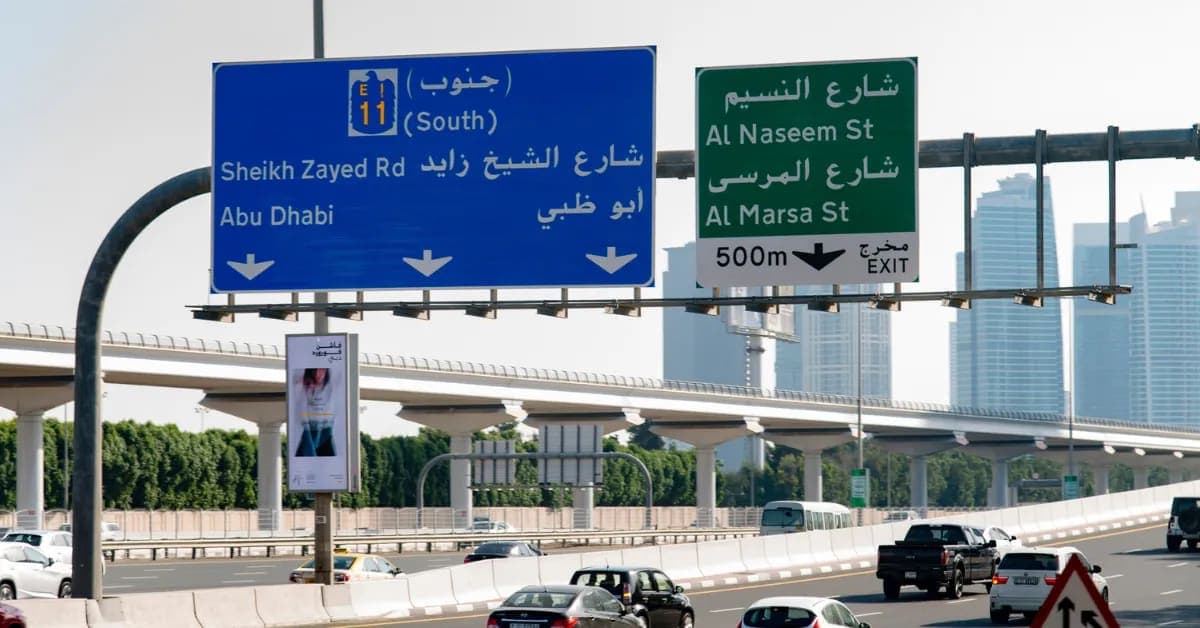
In 2025, the road network in the Emirate of Abu Dhabi took a significant step forward in traffic management by introducing a variable speed limit for one of its main thoroughfares. For motorists wondering about the speed limit in Abu Dhabi — especially on the key route of Sheikh Zayed bin Sultan Street — this article provides a full rundown of the new system, its motivation, operation, and what it means for you behind the wheel.
In particular, we focus on the variable speed limit in the Abu Dhabi context, how it applies, and how you should adapt. The concept of the speed limit in Abu Dhabi is evolving, and staying up-to-date is crucial.
📊 2. What is the Variable Speed Limit System?
The term “variable speed limit” refers to a dynamic mechanism by which posted limits can change according to real-time conditions. In the case of the speed limit in Abu Dhabi on Sheikh Zayed bin Sultan Street, the Integrated Transport Centre (Abu Dhabi Mobility) (often referred to as AD Mobility) announced that the system will be activated from 27 October 2025.
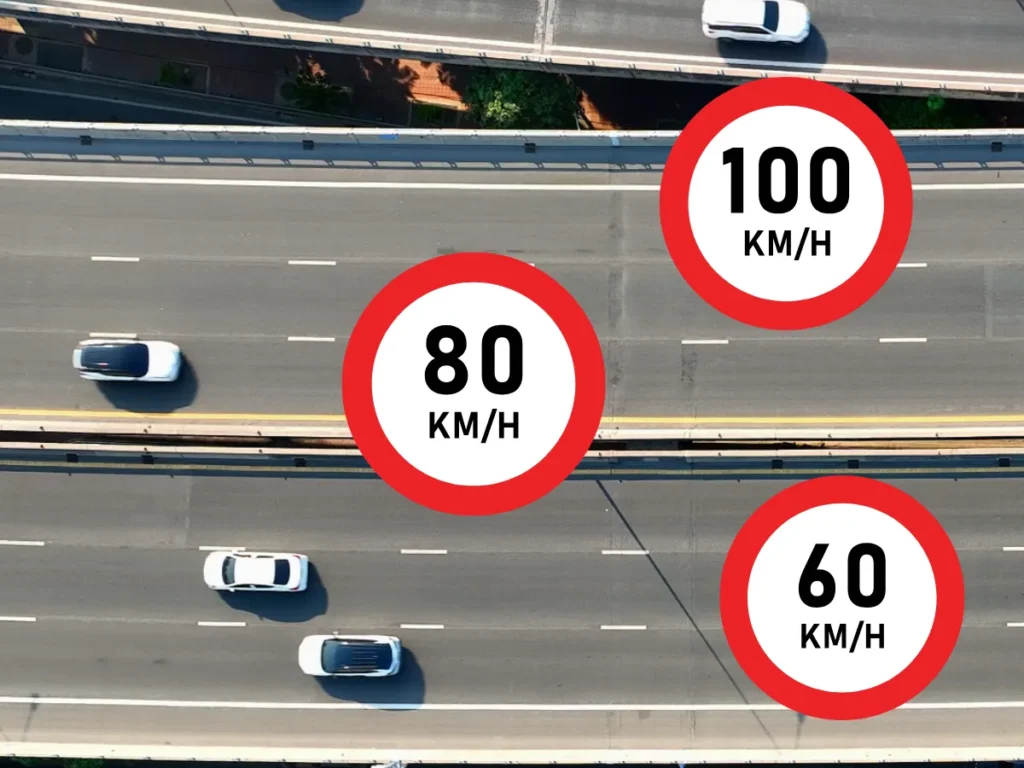
This system uses electronic overhead signs and traffic-management sensors to adjust the maximum speed permissible in real time. Thus, the speed limit in Abu Dhabi along this corridor is no longer fixed but responsive to conditions. For example, when conditions worsen, the speed limit in Abu Dhabi may be reduced temporarily to enhance safety.
📍 3. Why the Change and Where It Applies
3.1 Why introduce the system?
There are several reasons:
- To improve traffic flow on one of the busiest corridors and reduce congestion.
- To enhance road safety by adjusting speed in adverse or unusual conditions (weather, events, roadworks) rather than relying on a one-size-fits-all fixed speed limit.
- To align with modern “smart city” traffic management and intelligent transport systems.
3.2 Where exactly does it apply?
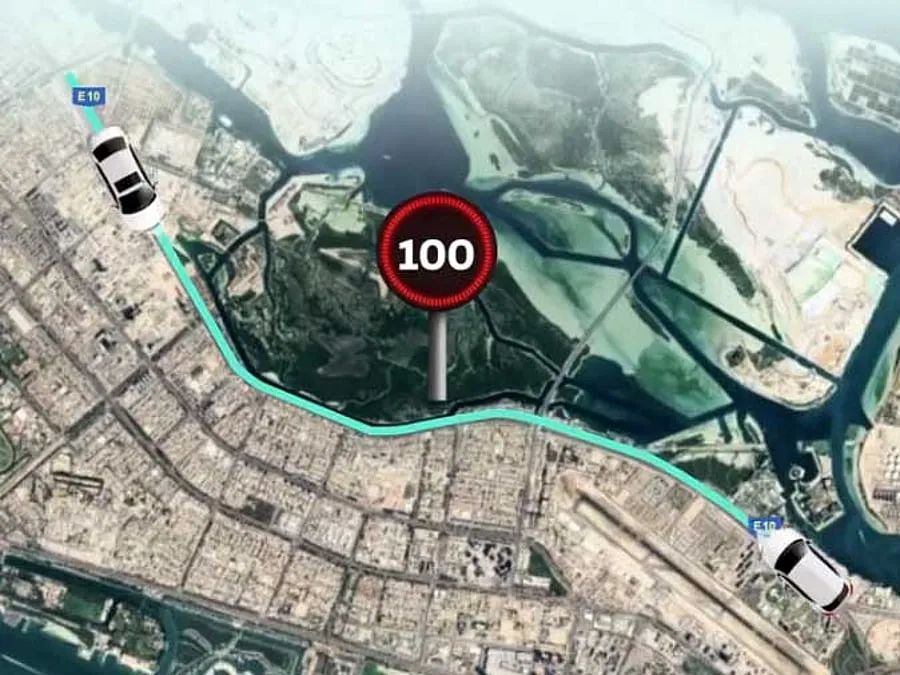
The system applies to Sheikh Zayed bin Sultan Street in Abu Dhabi — a major highway within the emirate. The earlier speed limit in Abu Dhabi on this route was reportedly reduced earlier in 2025 from 120 km/h to 100 km/h. With the introduction of the variable speed limit system, the posted speed limit in Abu Dhabi on this route will vary depending on conditions.
Therefore, when considering the speed limit in Abu Dhabi on this particular road, motorists must look out for the electronic signage indicating the current allowable speed.
🛑 4. How the Variable Speed Limit Works and What Triggers It
4.1 Mechanism
Electronic signboards will display the current speed limit in real time. The speed limit is dynamically adjusted and is enforceable just like any fixed limit.
4.2 Trigger Conditions
The variable speed limit system on this route will adjust when:
- Adverse weather conditions (rain, fog, sandstorms) arise.
- Peak-hour congestion or high traffic volume is detected.
- Major events or disruptions increase traffic load.
- Roadworks, lane closures, or incidents affect traffic flow.
4.3 What does that mean for the speed limit in Abu Dhabi
In practice, this means the following for the speed limit in Abu Dhabi on the route:
- Under normal, clear conditions, the speed limit in Abu Dhabi may reflect the posted base speed (e.g., 100 km/h) on Sheikh Zayed bin Sultan Street.
- If the triggers above are active, the speed limit in Abu Dhabi may be reduced (for example, to 80 km/h or lower) to enhance safety and traffic management.
- Drivers must heed the signs: the speed limit in Abu Dhabi at any given moment is the one displayed. Failing to do so may constitute a violation.
🧾 5. What Motorists Need to Know and Do
5.1 Pay attention to signage
Since the speed limit is now variable on this route, you must watch the electronic signs overhead. Do not assume a constant speed limit irrespective of weather or congestion.
5.2 Adjust driving behaviour
If you see the speed limit in Abu Dhabi reduced, slow down accordingly. This is not merely advisory; it is enforceable. The system is designed to keep traffic safe and flowing.
5.3 Expect enforcement
With the speed limit being variable, enforcement mechanisms like speed cameras and traffic monitoring will apply. Adhering to the speed limit in Abu Dhabi is essential to avoid fines and penalties.
5.4 Plan your journey
Since the speed limit may be reduced during heavy traffic or bad weather, allow more travel time. Being prepared helps you adapt without stress.
5.5 Stay aware of other roads
While the speed limit on Sheikh Zayed bin Sultan Street is now variable, many other roads may still have fixed limits. Always check local signage and traffic updates.
📈 6. Impact on Traffic Flow, Safety, and Efficiency
6.1 Improved traffic flow
By adjusting the speed limit in Abu Dhabi in real time, the system aims to smooth traffic, reduce shock waves of braking, and enhance throughput on the corridor.
6.2 Enhanced road safety
Lowering the speed limit during adverse conditions helps reduce collision risk, gives drivers more reaction time, and adapts to changing circumstances.
6.3 Better driver experience
The variable speed limit reflects a more modern traffic-management approach. Drivers who follow the speed limit in Abu Dhabi are likely to experience fewer surprises, less abrupt slowdowns, and more predictable travel.
6.4 Support for future mobility
The speed limit, being variable, is part of a broader “smart mobility” vision for the emirate. Systems like this pave the way for further innovations in traffic control, autonomous driving support, and data-driven infrastructure.
📉 7. Common Questions About the New Speed Limit in Abu Dhabi
Q1: What is the base speed limit in Abu Dhabi on Sheikh Zayed bin Sultan Street?
Earlier in 2025, the speed limit on that route was reduced from 120 km/h to 100 km/h. That figure now serves as the typical upper bound under normal conditions, subject to change via the variable system.
Q2: Will the speed limit in Abu Dhabi ever increase above 100 km/h under this system?
There is no indication that the speed limit in Abu Dhabi will increase above that base for this route under the variable system. The intention is to maintain or reduce speed relative to the posted limit based on conditions.
Q3: How will I know the current speed limit in Abu Dhabi?
Electronic overhead signs display the current speed limit in Abu Dhabi. If you miss them, you cannot assume the base is still valid — always look for the latest signage.
Q4: Is the speed limit in Abu Dhabi reduced temporarily or permanently during triggers?
It is temporary — when the condition (e.g., bad weather, high congestion, roadworks) passes, the speed limit in Abu Dhabi may revert to the normal posted limit.
Q5: What happens if I violate the speed limit in Abu Dhabi under this system?
Violating the speed limit in Abu Dhabi — i.e., the one currently displayed — can lead to fines, penalties, and possibly demerit points, just as with a fixed limit system.
Q6: Does the speed limit in Abu Dhabi apply to all vehicles the same way?
Yes — all vehicles using the route must comply with the displayed speed limit in Abu Dhabi. However, heavy vehicles and other special classes may already have separate regulated limits under UAE regulations.
🔧 8. Preparing for the Change — Tips for Drivers
- Familiarise yourself with the fact that the speed limit in Abu Dhabi is now variable on this key route.
- Before you travel on Sheikh Zayed bin Sultan Street, check for any advisory notices regarding the speed limit changes in Abu Dhabi.
- During adverse weather (sandstorms, rain, fog) assume the speed limit in Abu Dhabi will be reduced — drive cautiously.
- Stay alert for digital signage and adjust to the posted limit in Abu Dhabi without delay.
- Maintain an appropriate following distance and drive at a speed that suits conditions, even if the speed limit in Abu Dhabi is at its maximum.
- Use navigation apps or traffic updates that reflect real-time conditions, which will help you anticipate any temporary changes in the speed limit in Abu Dhabi.
- Encourage passengers and fellow drivers to respect the speed limit in Abu Dhabi — safer roads benefit everyone.
✅ Conclusion
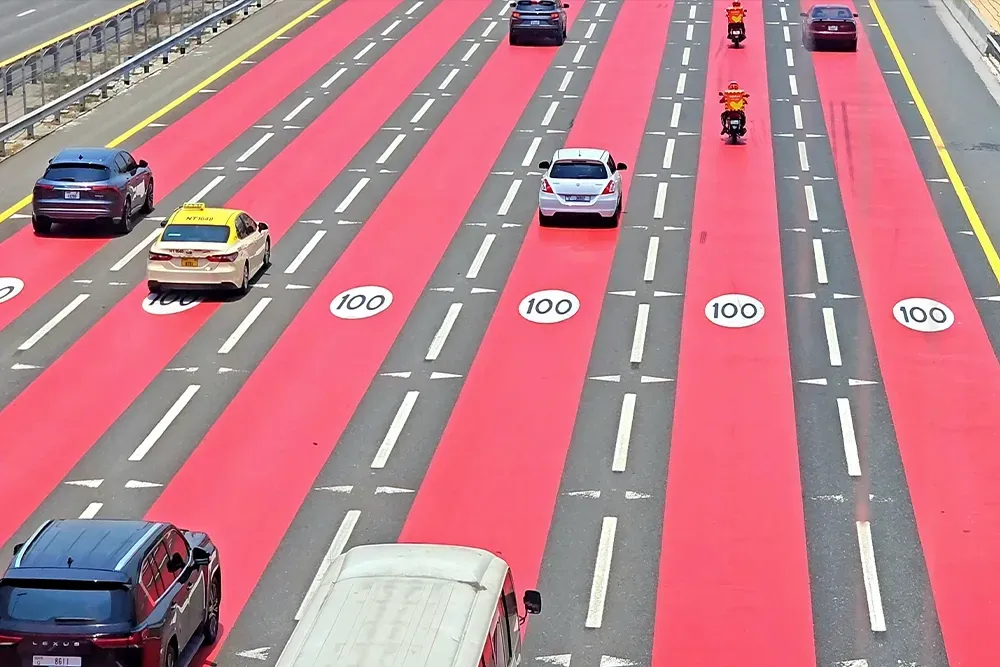
As the emirate of Abu Dhabi steps into advanced traffic-management territory, the introduction of a variable speed limit system on Sheikh Zayed bin Sultan Street marks an important shift in how the speed limit in Abu Dhabi is enforced and managed. From 27 October 2025, the speed limit in Abu Dhabi on this route will be responsive — adjusting to congestion, weather, events, and incidents — and thus drivers must be vigilant, adaptive, and law-abiding.
Understanding the mechanics of this system and respecting the speed limit in Abu Dhabi are crucial for safety, efficiency, and compliance. For all motorists using this critical corridor, staying informed about the speed limit in Abu Dhabi is not optional but essential.
External Links
- “Abu Dhabi to activate variable speed limits on Sheikh Zayed bin Sultan Road”
- “UAE: Variable speed limit system on major Abu Dhabi road starting October 27”
- “Abu Dhabi Introduces Variable Speed Limit System on Sheikh Zayed bin Sultan Road”
Also Read: All About the UAE’s New Laws of Traffic Violations in 2025: Fines, Rules, and Safety Updates