

🔍 Introduction
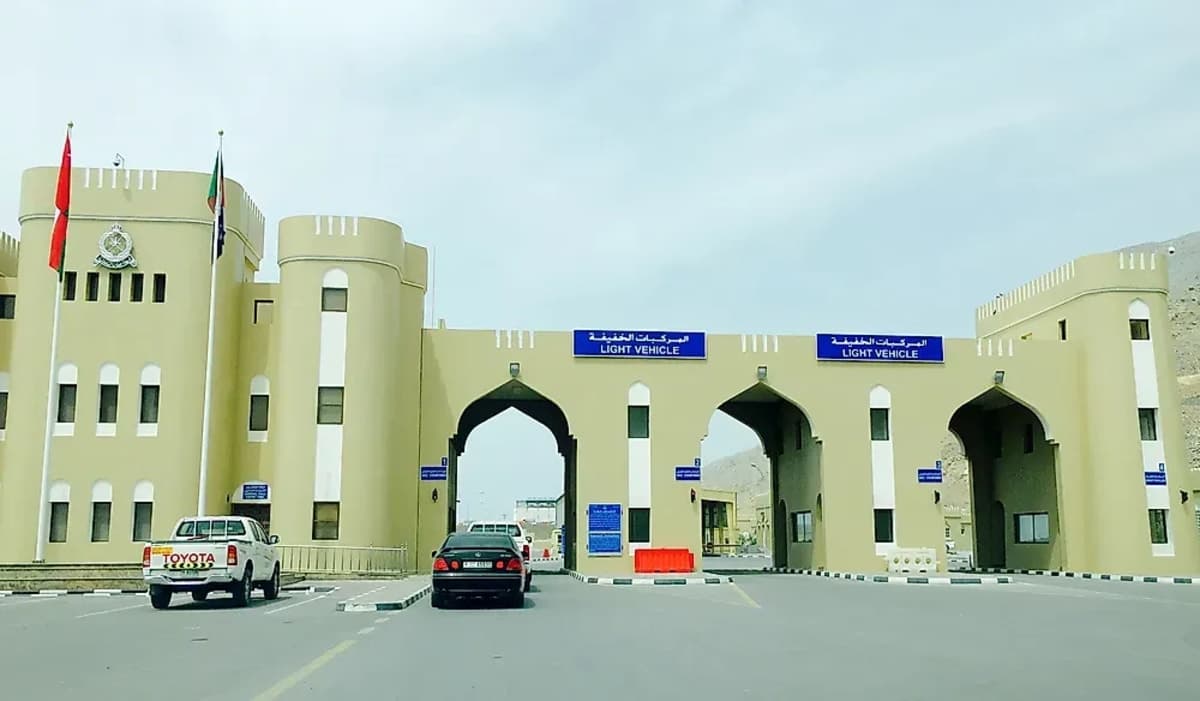
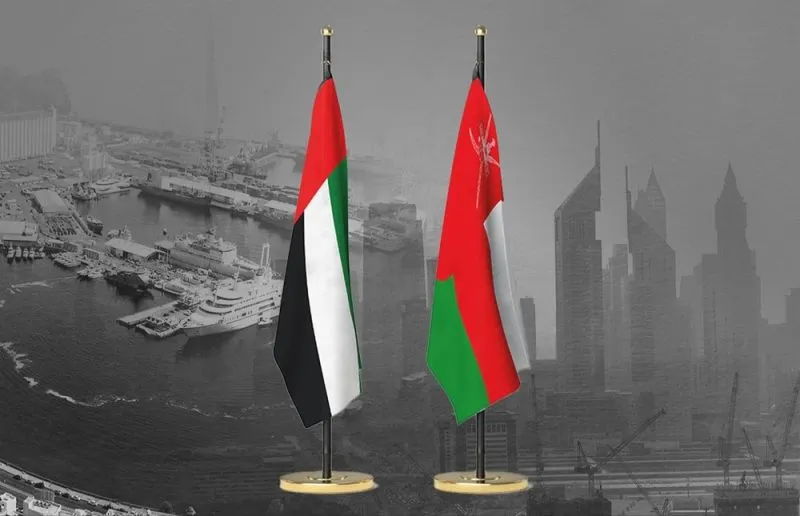
The UAE-Oman border history is one of the most intriguing geopolitical stories in the Gulf. Unlike most modern boundaries, the borders between the United Arab Emirates and the Sultanate of Oman are complex, winding, and interspersed with enclaves and exclaves. Stretching over 600 kilometers, these borders pass through deserts, mountains, and coastal areas, forming a patchwork of historical claims, colonial decisions, tribal allegiances, and political negotiations.
This guide will explore how this intricate border evolved, what makes it so unique, and how it continues to influence relations between the two nations in 2025. With new developments in travel, security, and cooperation, understanding the UAE-Oman border history is vital for historians, travelers, and regional analysts alike.
1️⃣ ⚖️ Pre-Colonial Tribal Territories
Before modern nation-states existed, the Arabian Peninsula was dominated by tribal affiliations rather than formal borders. The region now divided by the UAE and Oman was once a patchwork of:
- Nomadic Bedouin tribes
- Settled coastal communities
- Oasis-based agricultural societies
The UAE-Oman border history begins with these tribes, particularly the Bani Yas, Al Bu Shamis, and the Shihuh, who inhabited lands on both sides of today’s boundaries.
2️⃣ 🔴 The British Influence and Trucial States
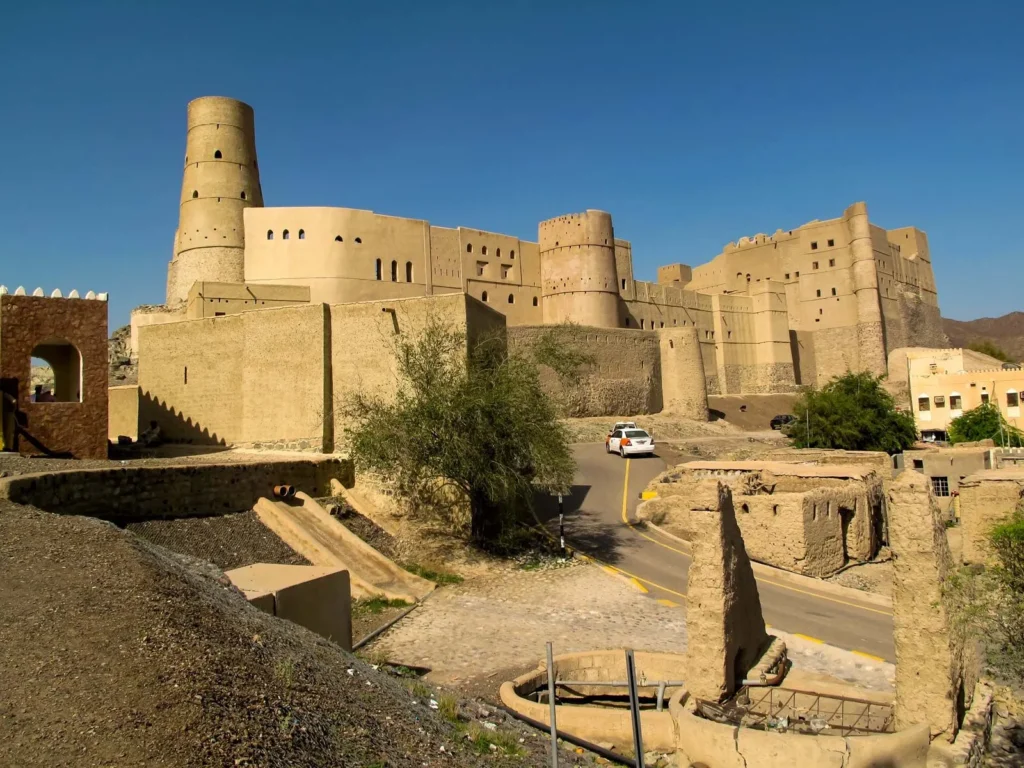
The British played a pivotal role in shaping the UAE Oman border history. In the 19th century, the British Empire sought to secure maritime trade routes in the Gulf by signing treaties with coastal sheikhdoms, creating the Trucial States — precursors to the UAE.
However, Oman was governed separately under the Sultanate. As Britain took a hands-off approach to inland territorial disputes, many boundary issues were left unresolved, leading to:
- Undefined borders between the Trucial Oman and the Sultanate of Oman
- Overlapping tribal claims
- Lack of comprehensive surveys
3️⃣ 🏛️ Formation of the UAE and Initial Disputes
In 1971, the United Arab Emirates was formed, uniting seven emirates. However, many borders, especially with Oman, remained unclear. The UAE-Oman border history intensified post-independence due to:
- Disputes over water sources and grazing land
- Competing tribal loyalties
- Oman’s non-membership in the newly formed UAE
The 1970s and 1980s saw numerous local tensions, particularly around the northern emirates and Buraimi.
4️⃣ ✉️ The Buraimi Dispute
A cornerstone of the UAE-Oman border history is the Buraimi Dispute. This conflict stemmed from:
- Competing claims by Saudi Arabia, Oman, and Abu Dhabi over the Buraimi Oasis
- British intervention and arbitration
- The 1955 occupation of the area by British-led forces
Eventually, a political settlement favored Oman, and the UAE accepted the decision after independence. However, the episode left lasting marks on regional politics.
5️⃣ 📎 The 1999 Border Agreement
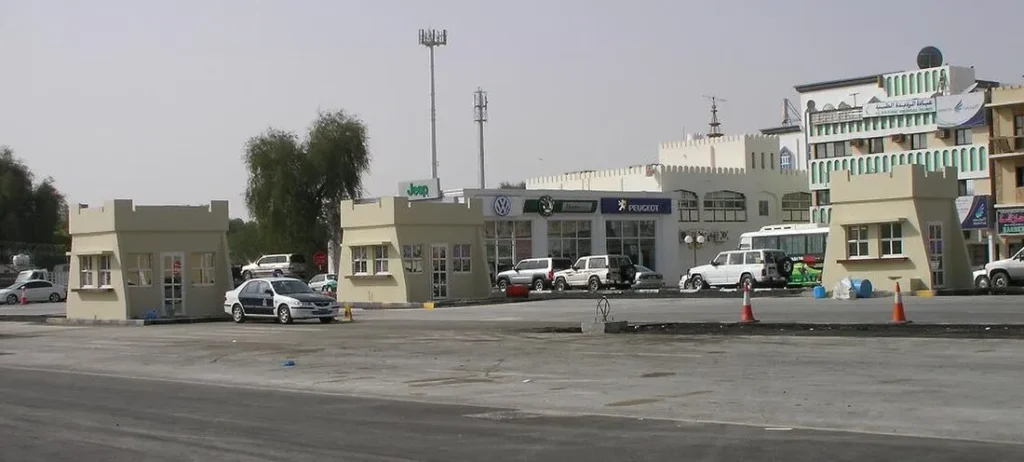
After decades of ambiguity, the UAE-Oman border history took a turn toward resolution in 1999, when the two countries signed an agreement to:
- Define borders from Al Ain to the east coast
- Mark boundaries in key towns like Hatta and Khor Fakkan
- Reduce cross-border smuggling and security tensions
The agreement was a significant diplomatic achievement, showing both countries’ commitment to stability.
6️⃣ 🌍 The Madha and Nahwa Enclaves
Perhaps the most fascinating aspect of the UAE-Oman border history is the Madha-Nahwa Enclave Puzzle:
- Madha: An Omani territory surrounded by the UAE
- Nahwa: A UAE territory located within Madha
These enclaves are a geopolitical oddity. Residents of Madha use Omani infrastructure and governance, while Nahwa is administered by Sharjah. This arrangement stems from tribal decisions made in the 1930s–40s.
7️⃣ ✈️ Travel and Visa Arrangements
Despite historical complexities, the UAE-Oman border history now includes modern agreements that allow:
- Visa-free travel for GCC citizens
- On-arrival visas for many nationalities crossing by land
- Smooth road connections between cities like Al Ain and Sohar
In 2025, shared border posts are digitized, enhancing efficiency and tourism.
8️⃣ 🏠 Shared Towns and Split Communities
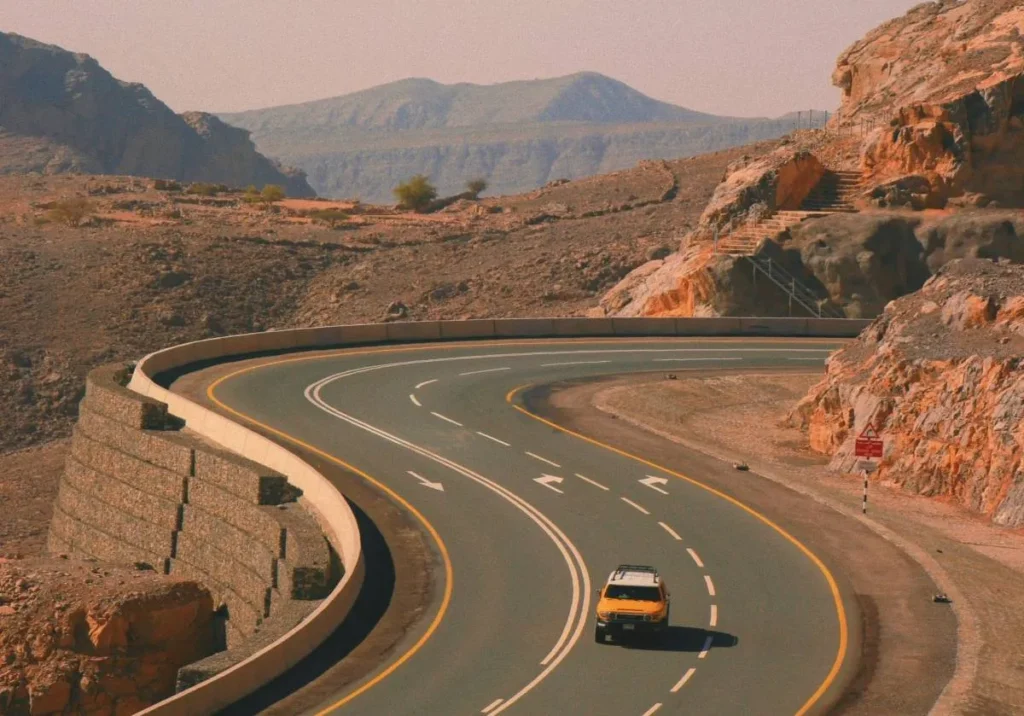
Many towns straddle the border, reflecting the intertwined cultures shaped by the UAE-Oman border history:
- Al Ain/Buraimi: Twin towns separated by an international border but united in commerce and kinship
- Hatta: An exclave of Dubai surrounded by Oman
These towns showcase how borders don’t always divide communities but sometimes reinforce shared identities.
9️⃣ ⛩️ Religious and Cultural Commonalities
Despite being two separate nations, the people influenced by the UAE-Oman border history share:
- Sunni Islam is the predominant religion
- Traditional dress styles like the dishdasha and abaya
- Similar tribal lineages and dialects
Cross-border marriages and shared festivals continue to reinforce unity.
🌪️ 1️⃣0️⃣ Environmental and Resource Cooperation
Both nations share natural resources such as:
- The Hajar Mountains
- Aquifers and wadis
- Coastal ecosystems
Part of the modern UAE-Oman border history is cooperation on:
- Water conservation
- Mountain road maintenance
- Wildlife protection
📜 1️⃣1️⃣ Legal and Administrative Coordination
Managing such a complex border requires regular communication between the UAE and Omani authorities. Examples include:
- Bilateral committees for resolving land use disputes
- Joint patrols to control illegal crossings
- Unified emergency services in border regions
These collaborations are a modern chapter in the evolving UAE-Oman border history.
🛍️ 1️⃣2️⃣ Trade and Border Economies
Border towns thrive due to cross-border trade. Informal markets and duty-free shopping zones have developed over the years, benefiting from:
- Price differences
- Product availability
- Tourism traffic
Such economic exchanges are a legacy of the fluid UAE-Oman border history.
⚖️ 1️⃣3️⃣ Border Security and Smuggling
While mostly peaceful, the border has seen issues with:
- Fuel smuggling
- Illegal labor movement
- Contraband goods
Both governments have increased surveillance and introduced biometric controls to safeguard against such threats.
✏️ 1️⃣4️⃣ Media and Public Perception
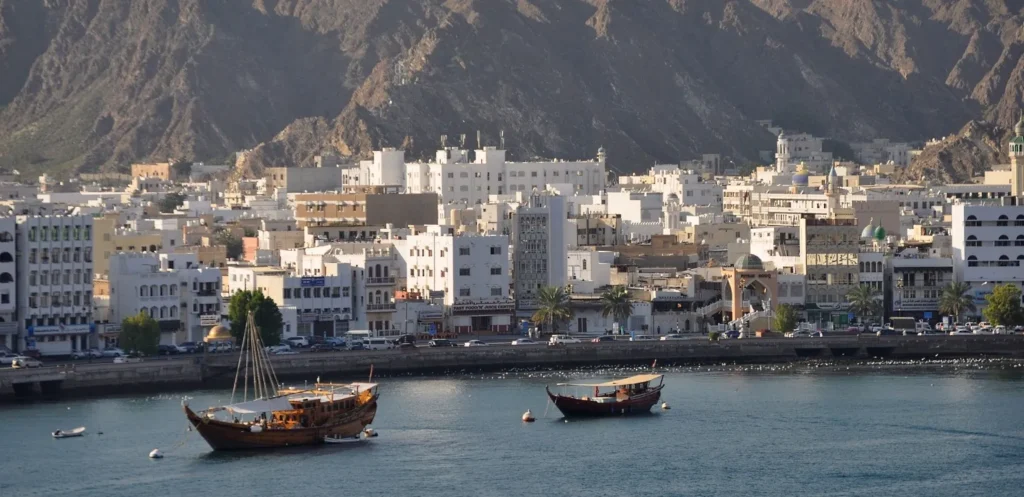
In both nations, the UAE-Oman border history is often viewed with pride, seen as a symbol of negotiation, respect, and shared heritage.
Educational initiatives in 2025 include:
- Documentaries aired on national TV
- Museum exhibitions in Sharjah and Muscat
- Academic conferences exploring border dynamics
📈 1️⃣5️⃣ The Border in 2025 and Beyond
The border today is more than a line on a map. It represents:
- Decades of peaceful negotiation
- A model for border resolution
- A shared Gulf identity
As the UAE and Oman invest in smart borders, e-governance, and regional connectivity, the legacy of the UAE-Oman border history will guide future diplomacy.
🌍 Conclusion
The UAE-Oman border history is a remarkable tale of tribal decisions, colonial legacies, and modern diplomacy. From the tribal affiliations of centuries past to the digitized crossings of today, every phase of this history reveals how borders can evolve through cooperation rather than conflict.
In 2025, the border symbolizes a bond rather than a barrier. It connects communities, economies, and cultures. Whether you’re a history enthusiast, traveler, or policymaker, understanding the UAE-Oman border history offers insights into resilience, adaptability, and peaceful coexistence.
The journey of defining and refining this border may have started long ago, but its significance continues to shape the region in profound ways today.
🌐 External Links
- UAE Ministry of Foreign Affairs
- Oman Ministry of Information
- Sharjah Museum of Islamic Civilization
- Gulf News Archive on Border Agreements
Also Read: Understanding UAE Culture: 10 Powerful Insights Every Newcomer Must Know