

Introduction
1️⃣ Overview — Dubai’s historic milestone
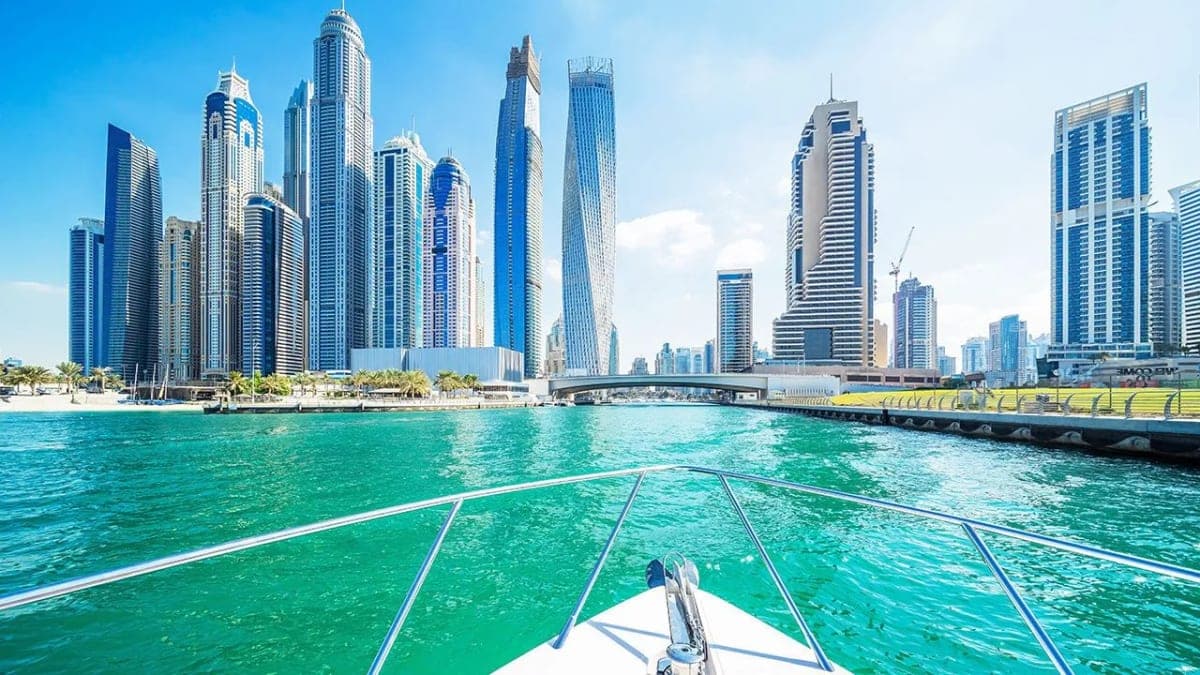
Dubai has always been a city of ambition, but in 2025, it achieved something extraordinary: it was officially ranked the fourth-wealthiest city in Europe & MENA, following three iconic European capitals — London, Paris, and Milan. This ranking is based on global wealth reports that group Europe together with the Middle East & Africa (EMEA). While Dubai is geographically in the Gulf, its economic power and wealth concentration now place it directly alongside Europe’s richest cities.
Being listed as the wealthiest city in Europe in numerous global reports may seem unusual, but it highlights Dubai’s status as a magnet for international wealth. The city has evolved from a desert trading hub into one of the world’s most luxurious and prosperous metropolises, where skyscrapers, global finance, luxury living, and cultural dynamism coexist.
2️⃣ Understanding the Ranking and the “Wealthiest City in Europe” Phrase
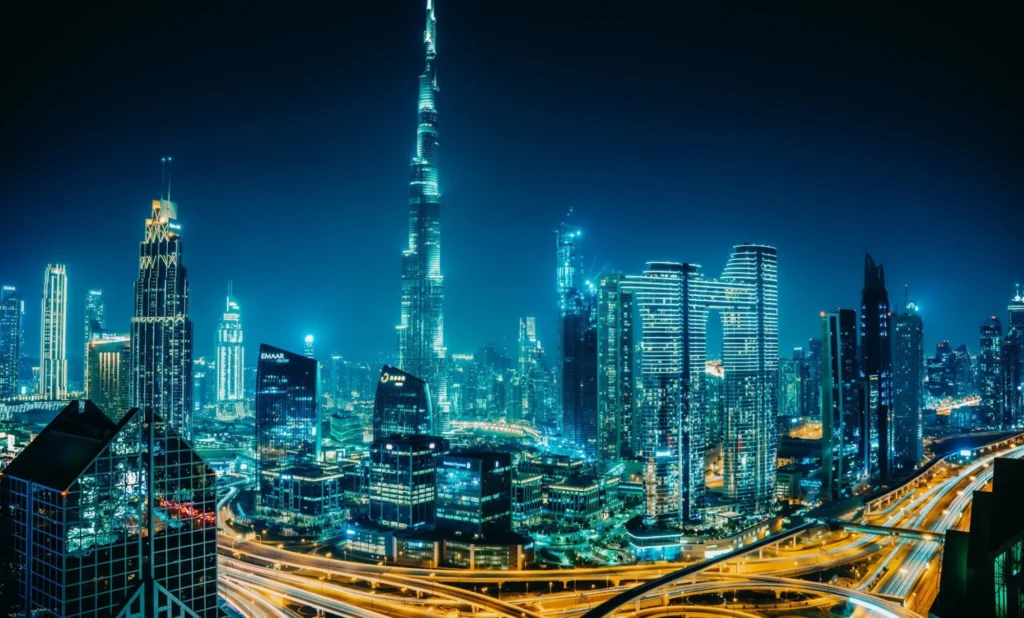
The term wealthiest city in Europe as applied to Dubai can be confusing. Why? Most reports on global wealth use the EMEA (Europe, the Middle East, and Africa) region as a combined unit. Dubai, as the undisputed wealth hub of the Middle East, is compared directly with European capitals.
Wealth in these reports is typically measured by:
- Number of resident millionaires, centi-millionaires, and billionaires
- Total private liquid wealth (cash, equities, and business ownership interests)
- Growth rate of high-net-worth individuals (HNWIs) over time
By these measures, Dubai now stands as the fourth wealthiest city in Europe, right behind London, Paris, and Milan. This symbolic ranking shows how the city has entered the same conversation as Western powerhouses that have dominated wealth charts for centuries.
3️⃣ The Numbers Behind Dubai’s Wealth Explosion
Dubai’s rise has been fueled by an influx of residents and investors from all over the world. In 2025:
- Over 68,000 millionaires are estimated to reside in the city.
- More than 200 centi-millionaires (those with $100m+ wealth) live in Dubai.
- At least 15 billionaires call Dubai home.
This puts Dubai ahead of cities such as Geneva, Zurich, and Berlin in terms of total resident wealth. Reports also indicate Dubai’s millionaire population grew by over 80% between 2013 and 2023, one of the highest rates globally. This is a key reason global analysts label it the wealthiest city in Europe within EMEA rankings.
Dubai’s stock market growth, international real estate investment, and thriving financial services industry added billions of dollars to the city’s private wealth. Its role as a safe-haven hub for capital, particularly during times of global uncertainty, has been another growth factor.
4️⃣ Why Dubai Climbed to the Top: Five Major Drivers
🔹 (a) Pro-Investment Policies and Residency Incentives
Dubai’s Golden Visa program and tax-free environment continue to attract global investors. Wealthy entrepreneurs, business owners, and retirees are choosing Dubai over traditional European capitals. The result is a steady inflow of wealth, bolstering its standing as the wealthiest city in Europe (EMEA list).
🔹 (b) Booming Real Estate and Luxury Market
Dubai’s real estate sector has become a magnet for ultra-rich buyers. Properties on the Palm Jumeirah, Downtown Dubai, and Dubai Hills command prices rivaling London and Paris. Luxury property launches sell out within hours, reflecting strong demand.
🔹 (c) Growth in Financial Services and Family Offices
In recent years, Dubai has transformed into a hub for family offices and wealth management firms. Many global banks have shifted their regional headquarters here, strengthening Dubai’s place among the wealthiest cities in Europe.
🔹 (d) Lifestyle, Safety, and Infrastructure
World-class airports, healthcare, international schools, and unmatched leisure options make Dubai more than just a financial center — it is also a lifestyle capital. Safety and political stability further add to its appeal.
🔹 (e) Geopolitical Diversification
Wealthy individuals from Asia, Africa, and Europe diversify their residences by moving assets and families to Dubai. This multi-regional inflow has been instrumental in Dubai being ranked the wealthiest city in Europe (EMEA grouping).
5️⃣ What Being Fourth After European Cities Really Means
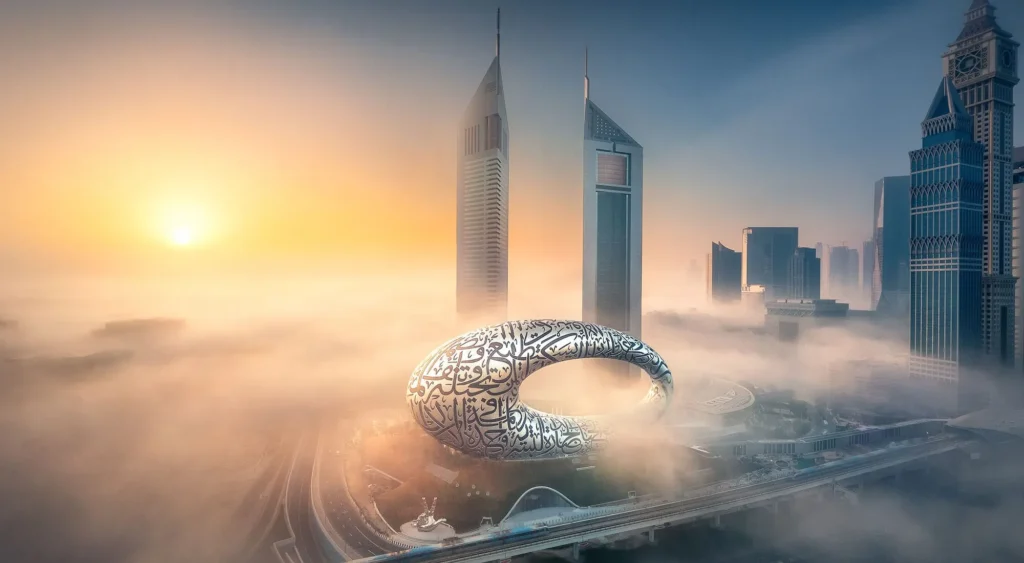
Dubai’s fourth-place ranking, just after London, Paris, and Milan, underscores two major insights:
- Dubai has matured into a peer competitor: Once considered an emerging hub, Dubai now rivals centuries-old financial capitals.
- Europe no longer dominates wealth unchallenged: For years, the phrase wealthiest city in Europe was synonymous with London or Paris. In 2025, Dubai’s presence on this list proves that wealth geography is evolving fast.
This development shows how global financial flows are no longer tied exclusively to the West but are shifting toward Asia and the Middle East.
6️⃣ Implications for Dubai’s Economy and Society
🔹 (a) Real Estate and Living Costs
Dubai’s rise as the wealthiest city in Europe (EMEA) means higher demand for luxury property and rentals. Prices are soaring, making affordability a challenge for mid-income earners.
🔹 (b) Job Market and Business Opportunities
The financial sector, hospitality, tech startups, and service industries all benefit from the influx of wealthy residents. Dubai’s job market now offers more opportunities than ever, though competition is fierce.
🔹 (c) Infrastructure and Sustainability Challenges
Being the wealthiest city in Europe comes with pressure. Dubai must expand transport, housing, and sustainable energy to accommodate rapid growth.
🔹 (d) Tourism and Global Prestige
High rankings enhance Dubai’s reputation as a luxury tourism hub, attracting millions of visitors and reinforcing its global brand.
7️⃣ Comparison with London, Paris, and Milan
- London remains Europe’s leading wealth center, with over 270,000 millionaires.
- Paris dominates thanks to its luxury fashion industry and banking system.
- Milan stands out as a powerhouse for design, wealth management, and Italian family fortunes.
Dubai’s unique edge lies in its modern infrastructure, pro-business environment, and geographic location bridging East and West. While London, Paris, and Milan retain historical depth, Dubai is catching up quickly, cementing its status as the wealthiest city in the European region.
8️⃣ Risks, Challenges, and the Future
🔹 Market Volatility
Dubai’s economy relies heavily on real estate and financial inflows. Market downturns or global shocks could impact its growth.
🔹 Inclusivity and Affordability
The challenge for Dubai is ensuring middle-class residents are not priced out while maintaining its position as the wealthiest city in Europe (EMEA).
🔹 Competition from Asia
Singapore, Hong Kong, and Riyadh are aggressively building wealth ecosystems. Dubai must innovate to maintain its lead.
Despite these challenges, analysts predict Dubai could surpass Milan and Paris by 2035, making it the second-wealthiest city in Europe (in EMEA terms) after London.
Conclusion
Dubai’s new place in the world order
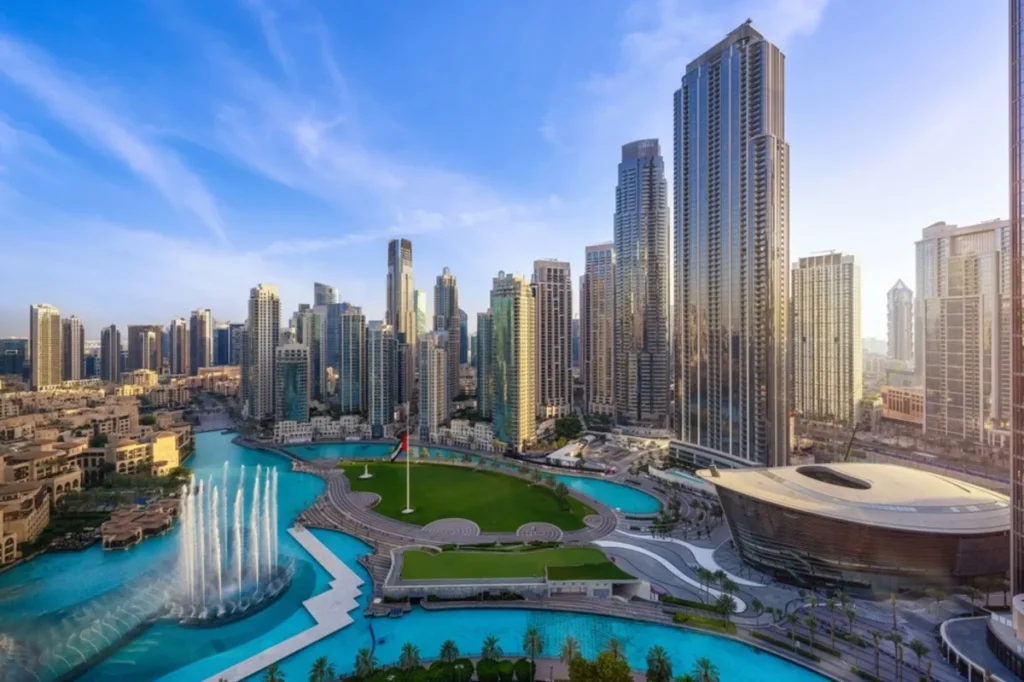
Dubai’s 2025 ranking as the fourth wealthiest city in Europe & MENA is more than just a statistic — it is proof that the city has become a global powerhouse. Behind the glittering skyline lies a city shaped by smart policies, global capital flows, and a vision to rival the West’s greatest capitals.
For residents, this means rising prestige and opportunity. For investors, it signals a safe and profitable hub. And for the world, it shows that wealth is no longer bound to geography — cities like Dubai are reshaping the map.
Dubai has arrived. And it’s here to stay among the elite.
External Links & References
- Gulf Today: Julius Baer Wealth Report on Dubai
- Henley & Partners: The World’s Wealthiest Cities 2025
- Khaleej Times: Dubai ranks 4th wealthiest in Europe, Middle East & Africa
- What’s On: Dubai among world’s richest cities
- Economy Middle East: Dubai’s wealth future
Also Read: Must Know: Important phone numbers in Dubai — Essential 2025 contacts