

🌍 Introduction
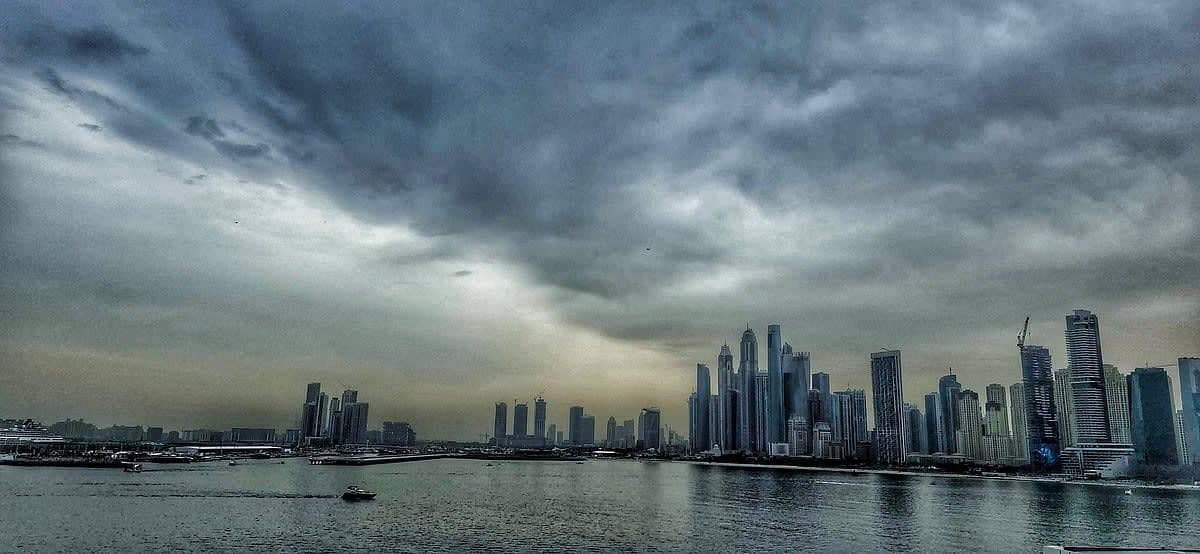
The United Arab Emirates (UAE) is witnessing significant weather changes in the UAE, driven by climate change. These shifts in weather patterns are affecting various sectors, including public health, infrastructure, and the economy. Historically, the UAE has faced extreme heat due to its desert climate. However, weather changes in the UAE over the past few years have become more pronounced with rising temperatures and unpredictable precipitation. As the UAE moves toward 2025, experts predict that the weather changes in the UAE will continue to evolve, with more severe impacts.
Understanding how the UAE’s climate has changed and how it is expected to change by 2025 is essential to managing its future challenges. From soaring summer temperatures to changing rainfall patterns, the UAE is preparing for a rapidly shifting climate.
🌡️ Rising Temperatures: A Decade of Extreme Heat
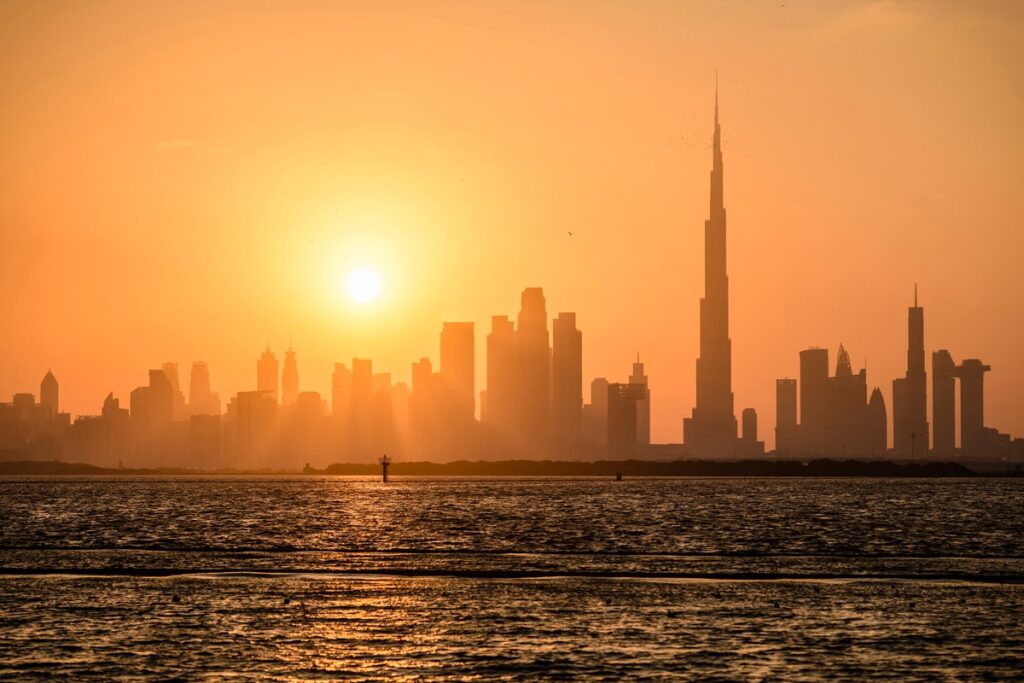
Over the past decade, the UAE has experienced consistent weather changes in the UAE, most notably in rising temperatures. Average annual temperatures have increased steadily, and 2017 was recorded as one of the hottest years on record. The country’s summers, already unbearable in the past, have become even more intense, with the mercury often crossing 50°C in desert regions. Since 2010, temperatures have risen by approximately 1.5°C, a trend that aligns with the broader global warming phenomenon.
Historical Trends of Rising Temperatures
In 2013, Dubai witnessed its highest recorded temperature of 51.2°C. This was a significant spike, even in a country already known for extreme heat. The weather changes in the UAE over the past few years have shown a clear pattern of consistently higher temperatures, particularly during the summer months. During this period, the summer months have seen average high temperatures reaching 45°C and above, coupled with high humidity levels that exacerbate the heat, making it even more unbearable.
Projections for 2025: Rising Temperatures Continue
By 2025, experts predict that the UAE will continue to experience these extreme temperatures, with summer highs often crossing the 50°C mark. As the global climate warms, cities like Dubai, Abu Dhabi, and Sharjah will continue to face blistering heat waves. This will put further strain on public health systems and increase energy demands, particularly for cooling purposes.
In light of the weather changes in the UAE, residents and businesses will have to adapt to these new realities, with an emphasis on energy efficiency and heat-resistant infrastructure to cope with extreme heat.
🌧️ Altered Precipitation Patterns: The Changing Rainfall in the UAE
Historically, rainfall in the UAE has been rare and sporadic, averaging only 50-100 mm per year. However, weather changes in the UAE have led to more intense and frequent rainfall events over the past few years. The country, which is used to dry, arid conditions, has seen shifts in rainfall patterns that have resulted in sudden downpours and localized flooding.
Rainfall Trends in Recent Years
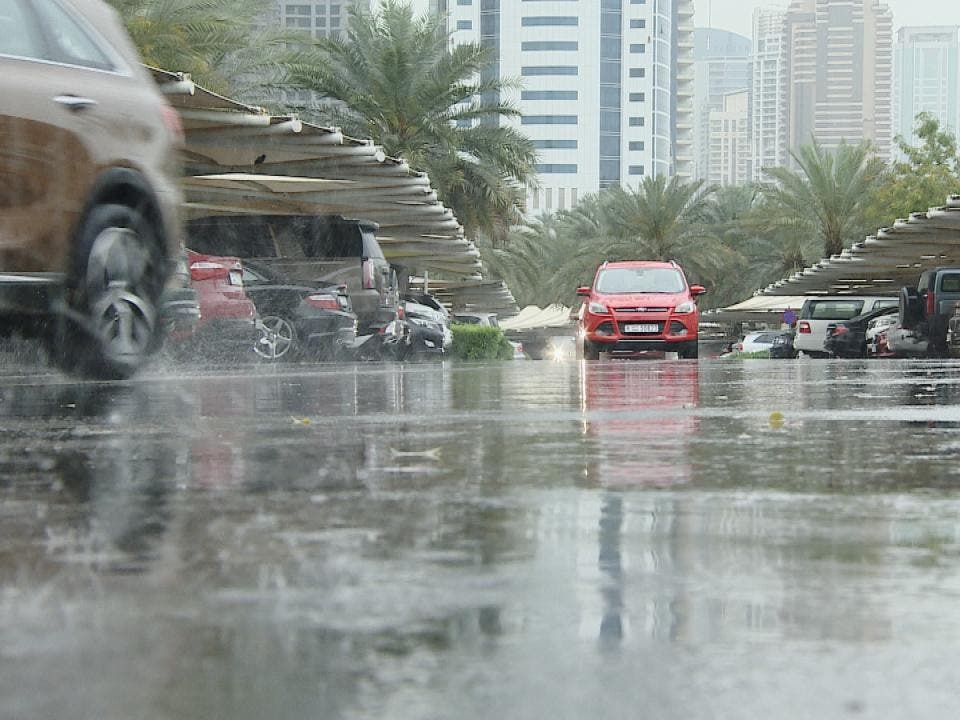
In recent years, there has been an increase in rainfall intensity. In 2018, the UAE experienced one of its heaviest rainfall seasons in decades, with some areas recording over 100mm of rain in just a few hours. This dramatic shift in weather patterns has been attributed to the overall warming of the atmosphere, which increases the capacity of air to hold moisture. As a result, when it rains, it often comes down in a deluge, causing flash floods and disruptions.
The unpredictability of rainfall has been a significant aspect of the weather changes in the UAE. While rainfall events have become more frequent, they are still highly irregular, making it challenging for the country’s water management systems to adapt. The suddenness of these storms can overwhelm drainage systems, resulting in flooding in urban areas.
Rainfall Projections for 2025
By 2025, the UAE can expect to see more unpredictable rainfall patterns. While there may still be a general trend of low annual rainfall, the country will experience increasingly intense storms and localized flooding events. These storms could bring significant disruptions to daily life, particularly in areas where infrastructure is not prepared for such extreme weather events. As a result, proactive measures will be necessary to address the risks of flooding and ensure that the water management systems can accommodate the changes in rainfall patterns.
🌊 Sea-Level Rise and Coastal Vulnerability
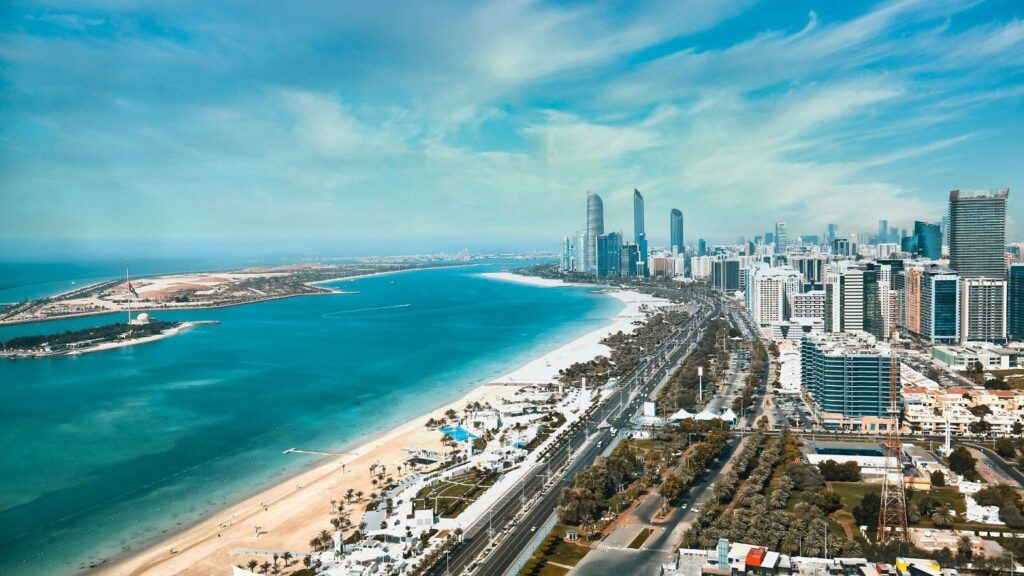
The UAE’s coastal areas, including popular cities such as Dubai and Abu Dhabi, are particularly vulnerable to rising sea levels due to climate change in the UAE. The UAE’s coastline stretches along the Arabian Gulf, where sea levels have been rising due to global warming. This gradual rise is exacerbated by melting polar ice caps and the thermal expansion of seawater.
Rising Sea Levels and Coastal Impact
Since the late 20th century, the UAE has witnessed rising sea levels, although it has been gradual. The UAE’s low-lying coastal cities are especially at risk. As the global temperature rises, the threat of coastal flooding becomes more significant. In 2020, a study by the World Bank predicted that sea levels could rise by up to 1 meter by 2100, which would have devastating effects on coastal cities.
Future Projections for 2025
In 2025, the UAE will continue to experience rising sea levels, putting its coastal infrastructure at risk. Areas such as Dubai, Abu Dhabi, and Sharjah, which are known for their sprawling waterfront developments, will need to invest in advanced sea barriers and flood protection systems. There may also be a need to rethink the placement of new developments along the coastline, especially for tourist resorts and residential areas. The weather changes in the UAE will require comprehensive planning to protect these vulnerable regions.
🌪️ Increased Frequency of Extreme Weather Events
Weather changes in the UAE have also led to an increase in extreme weather events. While sandstorms, dust storms, and occasional tropical storms were once rare, they have become more frequent in recent years. These extreme weather events are a direct result of the warming atmosphere, which disrupts traditional weather patterns and creates new types of atmospheric disturbances.
Recent Extreme Weather Events
In 2020, the UAE was hit by one of the worst sandstorms in recent memory, which reduced visibility to near zero in some areas. The storm disrupted flights, caused accidents on highways, and impacted health, particularly for those with respiratory issues. Additionally, the UAE is increasingly facing more frequent heatwaves, which further exacerbate the already extreme summer conditions.
Predictions for Extreme Weather in 2025
By 2025, the UAE is likely to see an increase in the frequency and intensity of extreme weather events. This includes not just sandstorms but also more intense heat waves and even the possibility of tropical storms. These events will challenge the UAE’s infrastructure, especially in sectors like transportation, aviation, and energy. The weather changes in the UAE will necessitate enhanced preparedness for extreme weather events, requiring governments and businesses to be more proactive in addressing the impacts.
🌿 Ecosystem and Biodiversity Concerns
The weather changes in the UAE are increasingly threatening the country’s diverse ecosystems. From the deserts to the marine ecosystems along the coast, species that once thrived in the UAE’s arid conditions are now struggling with fluctuating temperatures, changing rainfall patterns, and rising sea levels.
Impact on Desert and Marine Ecosystems
Desert ecosystems in the UAE are highly sensitive to changes in rainfall patterns. Sudden heavy rain can lead to flash floods, which disrupt desert plant life and animal habitats. On the other hand, rising temperatures make it difficult for some species to survive, while others may move to cooler areas. Marine life, including coral reefs, is also being affected by the rising sea temperatures and the resulting coral bleaching.
Impact on Biodiversity
The biodiversity in the UAE is already under threat due to climate change in the UAE. Species like the Arabian Oryx and the sand gazelle are facing difficulties due to the shifting climate. Coral reefs along the UAE coastline are being bleached due to increased sea temperatures, affecting marine biodiversity. These weather changes in the UAE put both land and marine ecosystems at risk, requiring swift and concerted efforts to protect biodiversity.

🏗️ Adaptation and Mitigation Strategies
As the weather changes in the UAE, the government is working on adapting to these challenges and mitigating their effects. From renewable energy investments to coastal protection initiatives, the UAE is actively seeking innovative solutions to safeguard its future.
Renewable Energy and Sustainability
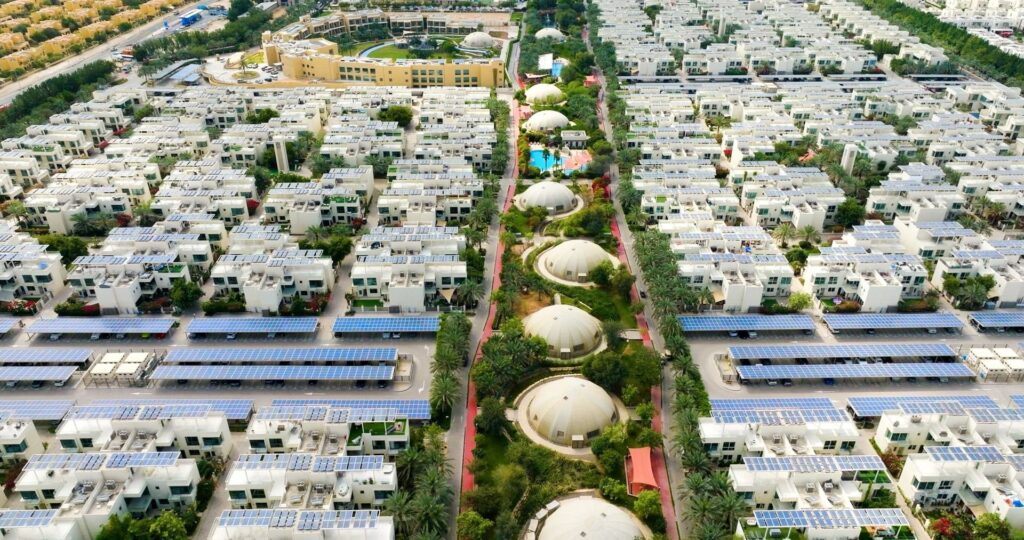
The UAE is leading the charge in the region by investing heavily in solar power. With ambitious projects like the Mohammed bin Rashid Al Maktoum Solar Park, the UAE is reducing its dependence on fossil fuels and transitioning toward a more sustainable energy future. The country has committed to making renewable energy a significant part of its energy mix, which is vital for addressing the long-term impacts of climate change in the UAE.
Climate-Resilient Infrastructure
The UAE is also investing in building infrastructure that can withstand the effects of extreme heat, rising sea levels, and extreme weather. The government is enhancing its drainage systems to handle heavy rainfall and has introduced building codes to ensure that all new structures are equipped to handle extreme heat. These initiatives are essential to help the country adapt to the weather changes in the UAE in the coming years.
🧭 Conclusion
The weather changes in the UAE over the past few years have been both dramatic and concerning. Rising temperatures, altered precipitation patterns, and the increased frequency of extreme weather events are shaping the country’s future. By 2025, the UAE is expected to continue facing these challenges, with higher temperatures, more erratic rainfall, and the ongoing threat of coastal flooding.
However, the UAE has shown a commitment to adapting to these challenges. Through investments in renewable energy, climate-resilient infrastructure, and environmental protection, the UAE is taking proactive steps to ensure a sustainable future despite the weather changes in the UAE.
🔗 External Link
- Climate Change Knowledge Portal – United Arab Emirates
- FutureLearn – Climate Solutions for the UAE
- UNDP Climate Change Adaptation – United Arab Emirates
- Atlantic Council – Climate Profile: UAE
Also Read: Weather in UAE 2025: Essential Facts You’ll Love About the Climate and Seasons